

Research areas, groups and societies
Life Sciences
Our research strategy is aligned to the United Nations Sustainable Development Goals (UN SDGs) to make a difference to major global challenges. We have seven main research themes in the School of Life Sciences: Bioengineering and Health Technologies; Ecology, Biodiversity and Conservation; Environment, Place and Rural Systems; Geoscience and Earth Systems; Infectious Diseases; Molecular and Cellular Systems in Health and Disease; and Neuroscience and Neurology. The School has a state of the art Insectary and we host the Centre for Applied Entomology, Parasites and Pathogens (CAEPP), the Centre for Science and Technology in Medicine, and the Sustainable Rural Futures (SURF) Leverhulme Doctoral Scholarships Programme.
Our research themes
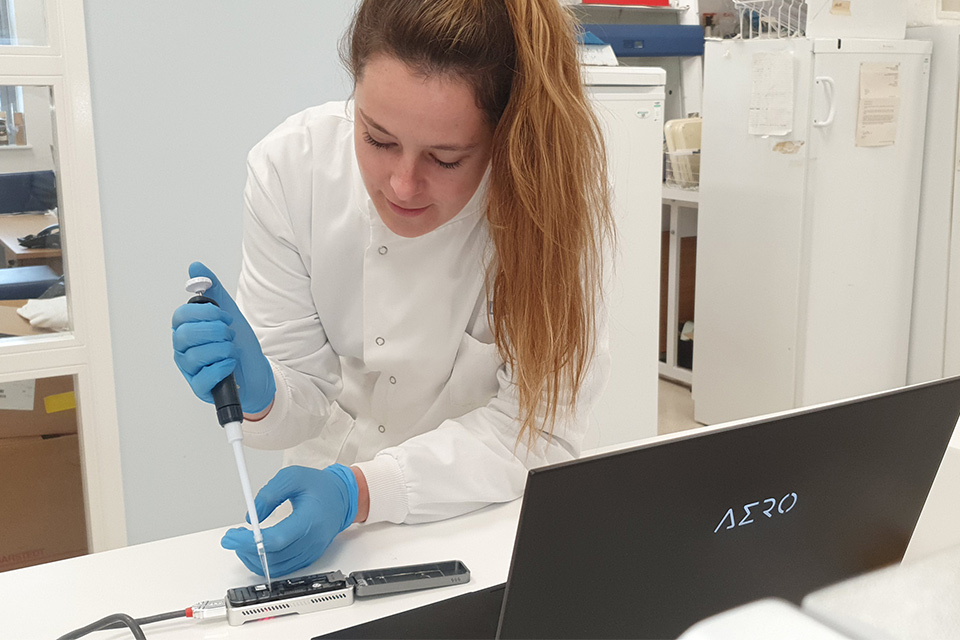
Bioengineering and Health Technologies
Developing innovative technologies, biomaterials, and engineering solutions to improve human health.
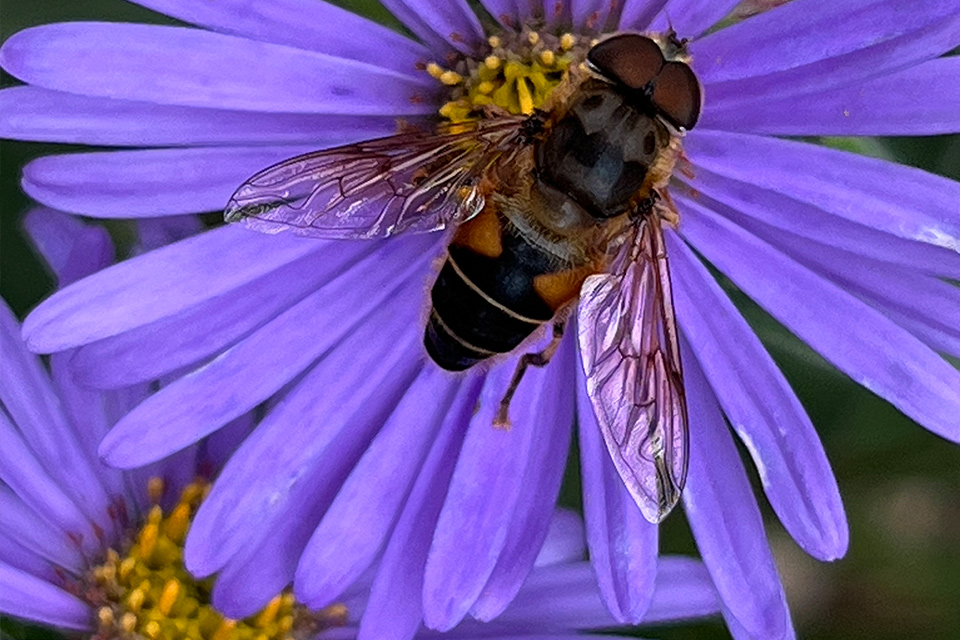
Ecology, Biodiversity and Conservation
Understanding and conserving biodiversity across changing ecosystems and landscapes.

Environment, Place and Rural Systems
Exploring environmental, social, and rural challenges to support sustainable futures.
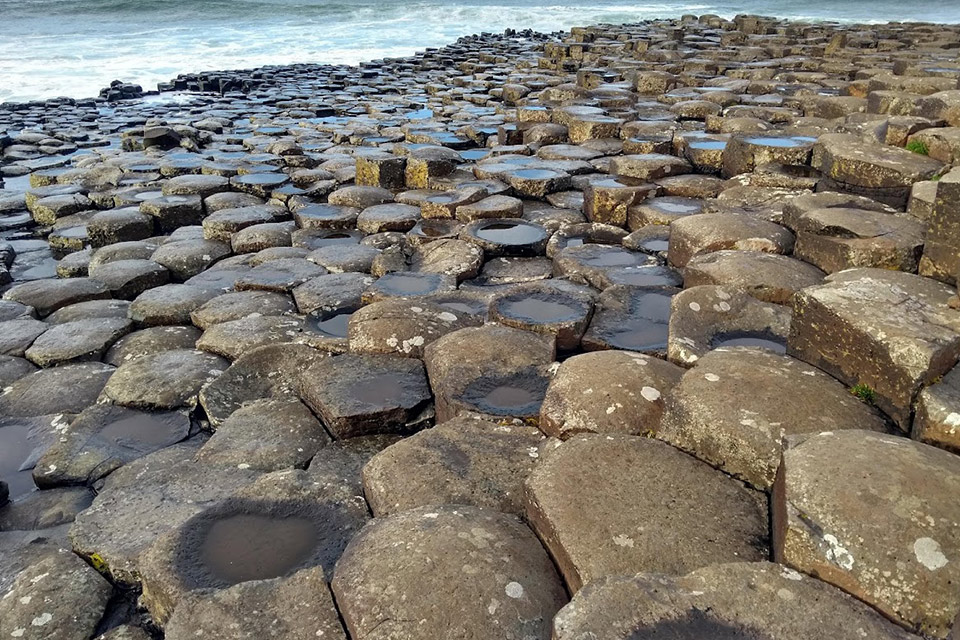
Geoscience and Earth Systems
Investigating Earth processes, resources, hazards, and environmental change through time.
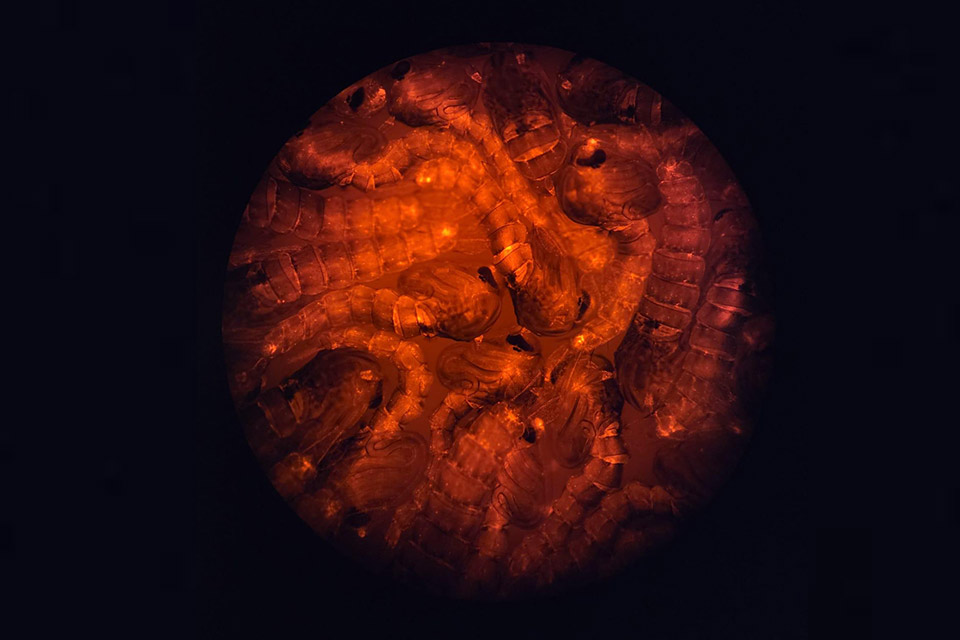
Infectious Diseases
Tackling infectious diseases through research on pathogens, hosts, vectors, and interventions.
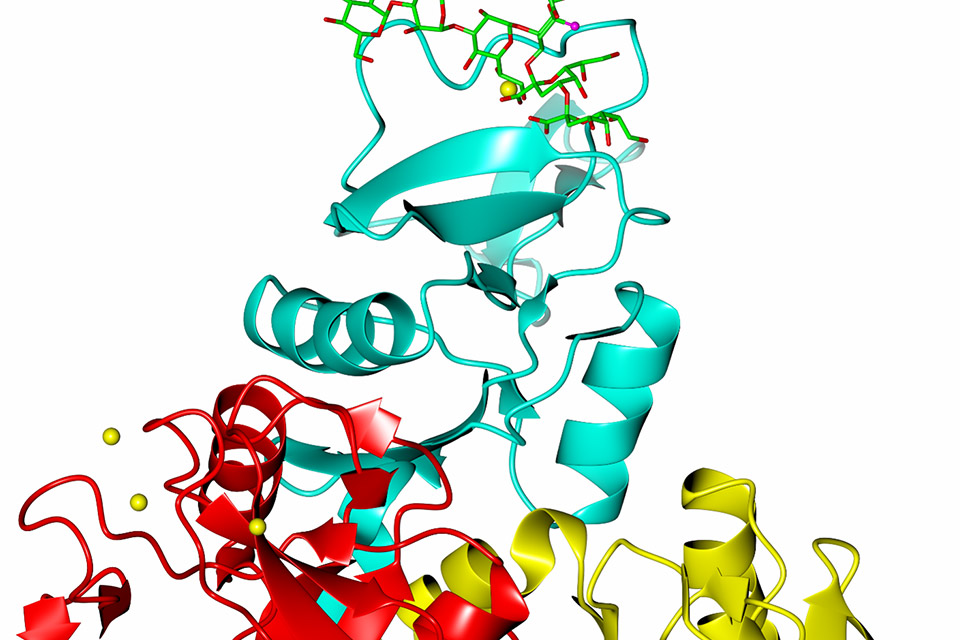
Molecular and Cellular Systems in Health and Disease
Understanding cellular and molecular mechanisms underpinning health, disease, and therapeutic innovation.
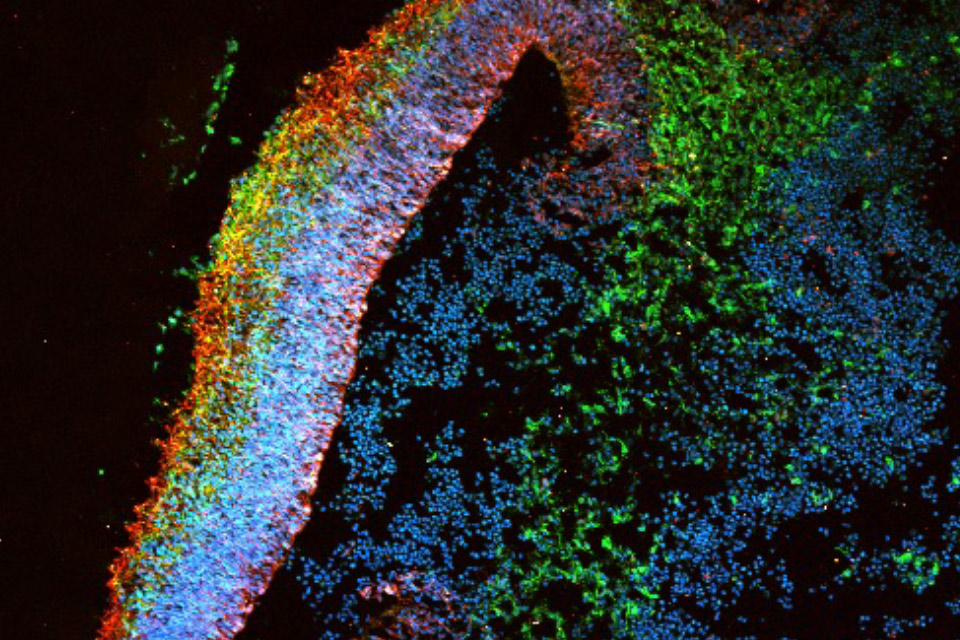
Neuroscience and Neurology
Advancing understanding of brain function, neurological disorders, and neural repair.