

The Edith Patch Insectary at Keele University is one of the largest and most advanced university-based insect research facilities in the UK.
Opened in 2026, the state-of-the-art facility enables researchers to study insects that affect human health, food security, biodiversity and the environment. From mosquitoes that spread diseases such as malaria and dengue fever to agricultural pests that threaten crops worldwide, the insectary provides scientists with the facilities needed to study these species in detail and develop innovative, sustainable solutions to global challenges.
Supported by a £623,000 grant from the Wolfson Foundation, the insectary strengthens the position of Keele’s Centre for Applied Entomology, Parasites and Pathogens (CAEPP) in leading research in entomology, vector-borne diseases and arthropod genetics.
Supporting research into disease transmission
The insectary provides researchers with bespoke facilities to undertake research into how insects transmit disease and how those processes can be disrupted.
Researchers at Keele will investigate ways to genetically modify mosquitoes so they are less capable of transmitting the disease.
Advancing agricultural research
Research undertaken in the insectary also has important applications for global agriculture.
Scientists will investigate methods of controlling pest species while reducing reliance on chemical insecticides. The work aims to improve crop protection, reduce crop losses, and support the development of more sustainable approaches to pest management.
The research also has wider implications for biodiversity and climate resilience.
Training future scientists
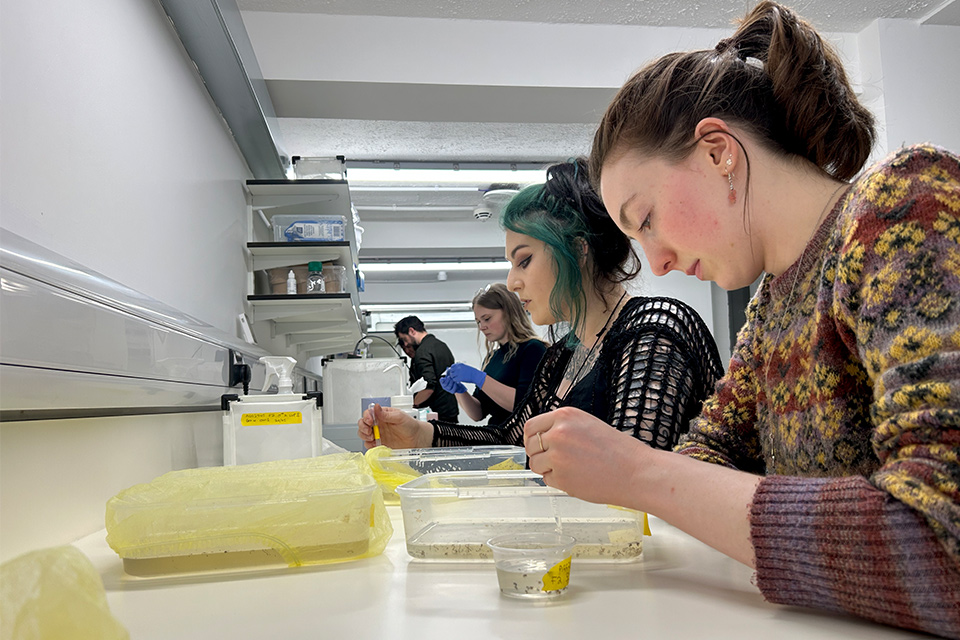
The Edith Patch Insectary will play an important role in training the next generation of scientists.
PhD and Master's students will gain hands-on experience conducting research in a state-of-the-art environment, working alongside experts in entomology, chemical ecology and infectious diseases.
The facility provides opportunities for students to contribute to research addressing challenges in global health and agriculture.
Why Edith Patch?
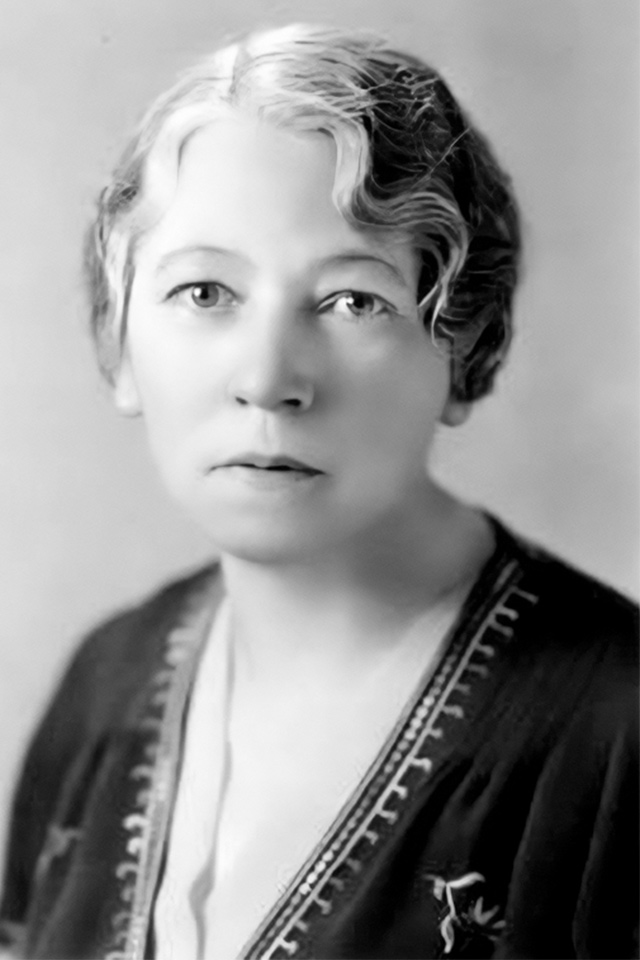
The facility is named after Dr Edith Patch, a leading American entomologist whose work transformed how people understood insects and their importance to the environment.
Working at the University of Maine from 1903 to 1937, she highlighted the vital roles insects play in healthy ecosystems and spoke early and boldly about the dangers of widespread chemical insecticides. Her belief that “the welfare of humankind depends on the protection of insects” reflects ideas that continue to shape research in Keele’s School of Life Sciences.
At a time when opportunities for women in science were extremely limited, Patch founded and led the University of Maine’s Department of Entomology for more than three decades and became the first female President of the Entomological Society of America.
Patch was also a prolific writer, producing research papers as well as books and nature‑focused articles for young readers. She was committed to making accurate, engaging information about insects accessible to the public, leaving a legacy that endures in both science and education

The Wolfson Foundation
The insectary was developed with support from the Wolfson Foundation, an independent grant-making charity focused on education and research.
The Foundation supports high-quality projects in science, health, heritage, humanities and the arts, with the aim of contributing to civil society through investment in research and education infrastructure.