
Cognition, Brain, & Behaviour Research Group
The Cognition, Brain, and Behaviour Research Group brings together researchers who study how people perceive, attend, remember, decide and act. We work across cognitive psychology and cognitive neuroscience, using empirical and theoretical approaches to understand mind and brain across the lifespan. Current work spans perception, attention, memory, decision-making, language, social cognition, time perception and the impact of ageing, development, clinical conditions and everyday environments on cognition.
We use a wide range of methods, including behavioural measurement, psychophysics, eye tracking, EEG, immersive virtual reality, brain stimulation, neuropsychology and computational modelling, supported by dedicated facilities in the School of Psychology.
For further information about the Cognition, Brain, and Behaviour Research Group, please contact the Research Group Lead, Dr Darren Rhodes. Darren coordinates group activity, supports collaboration across the School and with partners in Life Sciences and Computer Science, and leads on research strategy for the group.
Group research topics
PhD opportunities
We welcome enquiries from prospective PhD students who are interested in developing projects aligned with our research on health, wellbeing, and behaviour change. If you see a good fit with one of our staff members’ expertise, please contact them directly to discuss potential supervision. Keele University is part of the UKRI ESRC North West Social Science Doctoral Training Partnership, and applicants interested in this competitive funding scheme should reach out as early as possible to avoid missing the application cycle. We also welcome enquiries from students considering self-funded doctoral research.
Group Members and Expertise
We offer a collaborative and supportive environment for research and postgraduate training. Most staff in the group contribute to our MSc in Cognition and Cognitive Neuroscience and related programmes, which link classroom teaching to active research projects. We support early career researchers and doctoral students through regular research group meetings, informal methods workshops and opportunities to present work in progress.
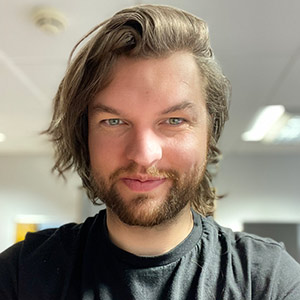
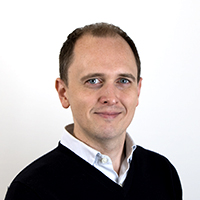
Darren Rhodes
Environmental temporal cognition; computational modelling of perception (Dr Darren Rhodes)
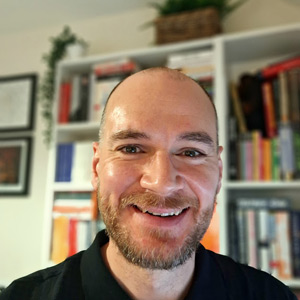
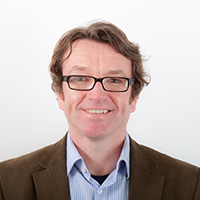
Jim Grange
Cognitive control processes, attention, visual short-term memory, computational cognitive modelling (Professor Jim Grange)

.jpg)
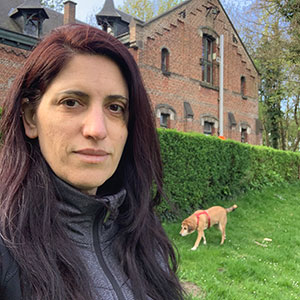

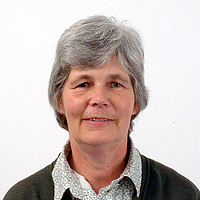
Avin Mirawdeli
Speech and language disorders; developmental psychology (Dr Avin Mirawdeli)