

Electrolyser developed by Keele scientists enables simultaneous hydrogen and sustainable plastics production
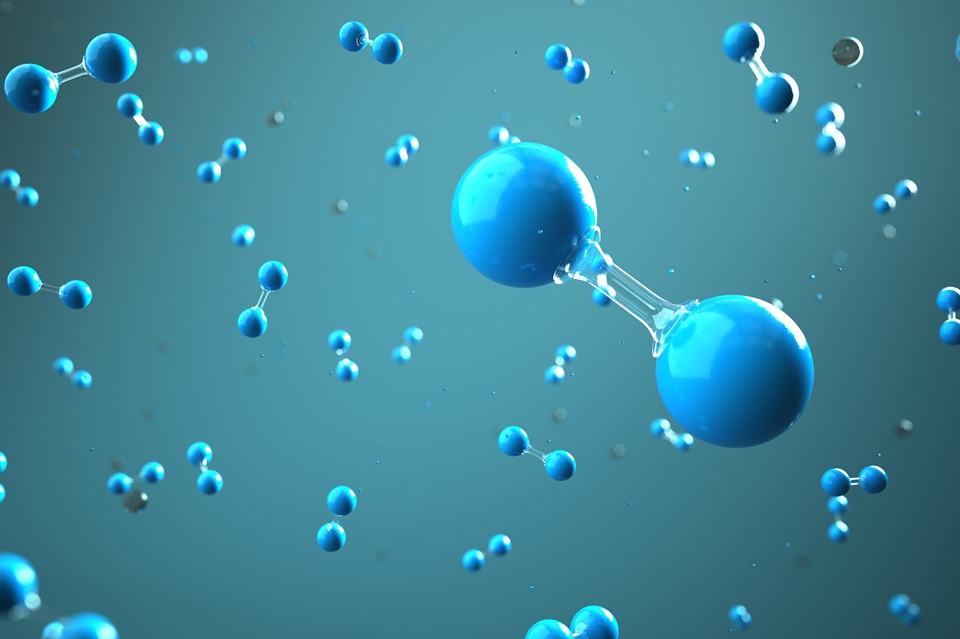
Keele scientists have developed a new kind of electrolyser which produces both hydrogen and the base materials for sustainable plastic production, opening avenues for a range of applications in green technology and sustainable development.
Electrolysers are frequently used, including on Keele University’s own campus, to generate hydrogen by using electricity to split water into hydrogen and oxygen. The oxygen is released into the atmosphere, while the hydrogen is stored and used for a range of research and practical applications.
Hydrogen has huge potential for helping to decarbonise a range of industries, but it can often be costly and difficult to produce due to high energy costs needed to power current electrolysers. Keele’s electrolyser negates some of these constraints by using renewable energy to power the machine, meaning the hydrogen produced is known as “green” hydrogen.
But in a new study published in ACS Electrochemistry, Dr Charlie Creissen and PhD student Lewis Cousins have developed a new type of electrolyser that takes molecules derived from food waste and uses renewable electricity to transform them into not only green hydrogen, but also high-value precursors to sustainable plastics.
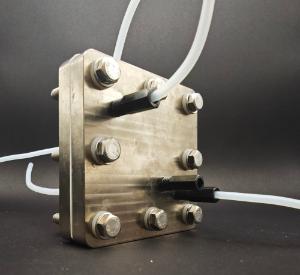 This electrolyser (pictured) differs from others by using a different type of reaction to prevent the oxygen from being produced. Other electrolysers that split water produce oxygen as part of their reaction, therefore requiring a membrane to prevent the hydrogen and oxygen mixing inside the device.
The membrane is an expensive and often unstable component of electrolysers, but by removing the need for this membrane, the researchers could operate with much lower electricity requirements while producing plastic precursors at industrial reaction rates.
As the reaction uses biomass-derived molecules from food waste, the electrolyser also generates sustainable replacements for petrochemicals such as bioplastic precursors alongside the hydrogen, meaning the device could have a significant impact on reducing pollution from plastic production as well.
This new type of electrolyser therefore makes hydrogen production more accessible by reducing operating costs, with the added benefit of making sustainable plastic production easier to achieve as well.
Lead author Dr Charlie Creissen from Keele University said: “This research is a significant step towards fossil-free plastic production using renewable electricity.
“These membrane-free configurations can operate with lower costs and added value, enhancing access to green hydrogen and sustainable building blocks for everyday products.”
Lewis Cousins added: “Our design effectively demonstrates that electrolyser configuration is key to improving performance. We hope that our development inspires new research in sustainable engineering.”