

Comment | Learning from the past by sowing the seeds of hope
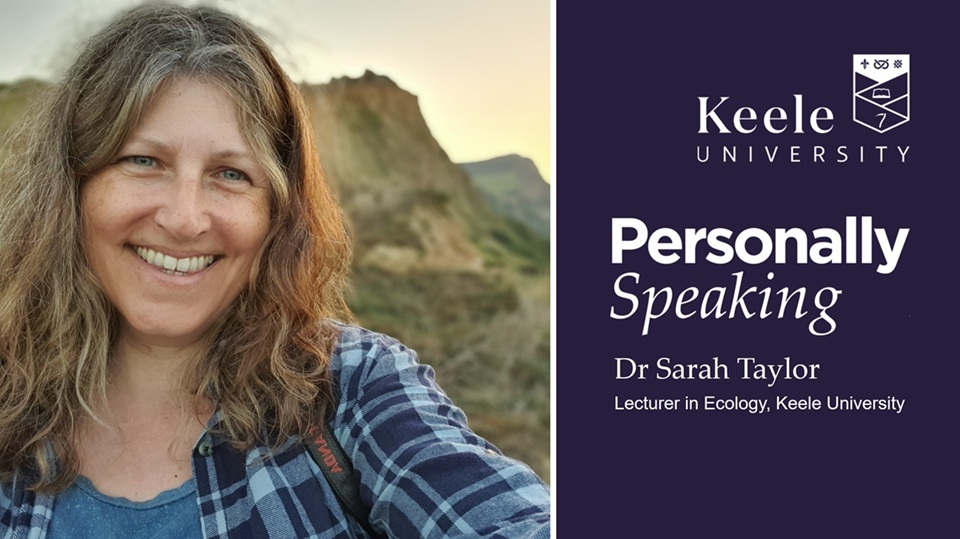
By Dr Sarah Taylor, Lecturer in Ecology at Keele University. This article first appeared as a Personally Speaking column in the Stoke Sentinel in September 2025.
Recently, the world observed the 80th anniversaries of the atomic bombings of Hiroshima and Nagasaki. A series of events were held to remember the victims, advocate for nuclear disarmament, and reflect on the ongoing threat of nuclear weapons in a world of escalating conflicts.
Back in March, I put in a successful application to the Green Legacy Hiroshima (GLH) Initiative on behalf of Keele University to get some seed harvested from trees that survived the first atomic explosion on 6 August 1945. These remarkable trees, known as ‘Hibakujumoku’ in Japanese, were within 2km of the hypocentre of the blast. Their survival is a testament to the resilience of nature, and the seeds are being distributed around the world as a message of hope and peace. I sowed seeds from a 200-year-old ginkgo in June and after a lot of anxious waiting, two months later, days before the 80th anniversary of Hiroshima, the first miniature ginkgo leaf fully unfurled. The timing of this message of hope felt profound.
The initiative was brought to Keele’s attention by PhD researcher Franco Castro Escobar, after he undertook a postgraduate research trip to Hiroshima in 2024. The university's arboretum committee felt this was an excellent opportunity to expand on the collection of campus trees at Keele, which includes an extensive collection of Japanese cherries, build on strong relations with Japan, and provide a powerful educational tool that connects students, faculty, and the wider community to global history. We live in frightening times – wars are raging around the world, and nuclear weapons seem to be very much on the table. It’s important to remember what has come before lest history repeat itself.
When we commemorated 80 years since VJ Day and the end of World War 2 in August, it felt very personal for me. Being involved in the Green Legacy Hiroshima project has led me to do research into my grandpa, John “Jack” William Wrench of Stoke-on-Trent, who served on HMS King George V (KGV) from 7 July 1944 to 27 April 1946. I didn’t get to meet my grandpa as he died in 1965 aged 41 years old, before I was born, so this has been a big journey of discovery for me. Grandpa was part of what he referred to as the “radar lads” and joined KGV after its radar equipment had been replaced during a refit in Liverpool docks in 1944. KGV was a Class 5 Battleship and flag ship for the British Pacific fleet.
I’ve discovered from logs of the ships movements that he was 770 miles west of the explosion that took place at 8.15am on 6 August 1945 when the uranium-based atomic bomb (code name Little Boy) was dropped on Hiroshima. Grandpa had his own camera and documented life on board the ship. After the war he put together an album of his photos alongside other memorabilia. Seeing the “surrender of Japan” by photos of ships gathered in Tokyo Bay in his neat penmanship was overwhelming. After the war, grandpa lived in Wolstanton and went on to become a rep for James and Tatton. He struggled with confined spaces for the rest of his life because of his time locked away in the ship’s radar room.
The legacy of what happened in WW2 lives in all of us in so many ways and understanding my own personal history has given a whole new meaning to my involvement in the Green Legacy Hiroshima project. It’s important for us to tell the stories, so they are not forgotten. Soon there will be no one left that witnessed it first hand and you’ll be stuck like me trying to make sense of a photo album. The same is true of the atomic bomb survivor trees. Some are nearing the end of their lifespan and will be lost. Plaques can mark the spot where they once lived, but harvesting the seed from these trees ensures that their DNA lives on.
By being involved in this project, one day there will be our own symbol of peace and hope growing here in Staffordshire at Keele University. The seedlings will need to be nurtured for several years before they are large enough to plant on the university campus, where we hope they will be a source of reflection and inspiration for the next 80 years and beyond.