

Comment | 'New research centre will make a tangible difference'
You might be surprised to learn that mental health difficulties are the leading cause of disability in the UK, accounting for nearly one quarter of the population of people with disabilities. For communities in the north-west Midlands, including us here in Staffordshire and neighbouring Shropshire, these challenges are often compounded by high levels of poverty, unemployment and deprivation.
For many people - including those in rural or inner-city areas, people from racially minoritised backgrounds, and those experiencing homelessness - getting the right support can feel impossible. Services can be hard to find and, even when accessed, may not feel suitable or acceptable. As a result, those who need care most are often least likely to receive it, deepening health inequalities across our region.
But there is good news. We are taking decisive steps to confront this challenge head-on. Keele University is establishing a new Mental Health Research Centre, backed by £11 million from the National Institute for Health and Care Research.
This ambitious five-year programme, delivered in partnership with the University of Birmingham, King's College London, and the Midlands Partnership University NHS Foundation Trust, will address a vital question - how can community organisations and local General Practitioners better support those with mental health problems who need help the most?
Together, we are building partnerships, evidence and practical solutions to ensure support reaches the people and communities who need it most.
The work of this centre will be led here in Staffordshire, at Keele, something we are immensely proud of. Our partners bring expertise in mental health care, innovative research methods, and, crucially, turning evidence into real-world impact.
We are combining academic excellence with practical experience to ensure our research makes a tangible difference in people’s lives. The centre will focus on three key groups: older adults experiencing stress, anxiety or depression; people living with both mental and long-term physical health conditions; and individuals with complex, long-term emotional needs. Our goal is to develop new, more acceptable ways of delivering support, shaped directly by local people and communities.
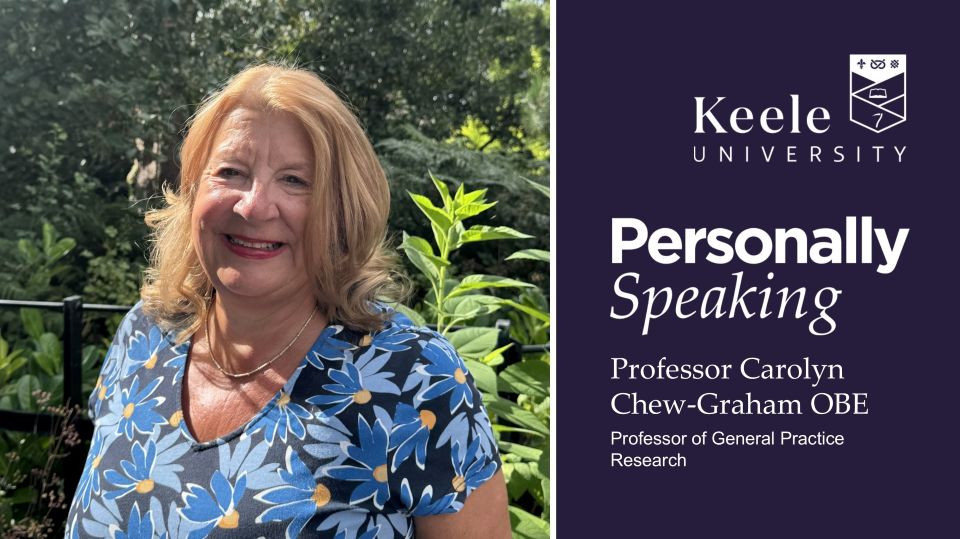
As co-lead of this Research Centre, alongside my colleague Dr Gary Lamph, this is both a professional privilege and a deeply personal commitment. I grew up in Clayton and attended Clayton Hall Grammar School for Girls, as it was known then. This project matters to me not only as a researcher but as someone rooted in this community. I am passionate about the lasting difference this centre can make for people in our area.
Too often, the voices of under-served groups have been missing from research, meaning findings are not always relevant to them. Our centre will change that by placing meaningful public involvement at the heart of everything we do.
From the outset, local people with lived experience of mental health difficulties have helped plan this centre. Community organisations from across Staffordshire and Shropshire will continue to shape our work, ensuring it remains relevant and responsive. We will establish dedicated groups of public contributors from diverse backgrounds to work alongside researchers on every project. Contributors will receive training, support and reimbursement for their time and expertise.
The benefits will be significant - more relevant mental health research conducted locally, and practical new approaches to care co-designed with communities. We will develop and test innovative strategies to meet the needs of those who have previously struggled to access care. And we will share our findings not only in academic journals, but directly with local organisations, community groups and policymakers to ensure lasting impact.
By building trust, sharing learning openly and ensuring participation is meaningful and rewarding, this centre will generate the evidence needed to transform how we support people living with mental health problems.
This is about more than research. It is about empowering individuals and strengthening communities - working alongside them, not simply studying them.
Our ambition is clear - to help ensure that everyone in Staffordshire and Shropshire has the opportunity to live with better mental health, and with the support they need to thrive.