


Disability support and inclusion
We work with staff across the University, and external services, to provide you with the individual support you need whilst you are studying at Keele.
Support for students
Thinking of coming to Keele?
.jpg)
Campus accessibility
.jpg)

.jpg)

Getting in touch
You can get in touch with us in the following ways:
- By email: support.dsi@keele.ac.uk
- By phone: +44(0)1782 734481 - if you need advice from one of our specialist advisers, we’ll arrange a call back for you
- At a Disability Support and Inclusion (DSI) drop in at the Student Services Hub.
- Through your Self Service Portal - please complete our online form
Book a virtual appointment with a DSI adviser
There are no drop in sessions during any of the vacation periods.
If you are booking a virtual appointment, please note that each faculty has a designated Disability Adviser:
- Business, Law, Humanities & Social Sciences, and Apprenticeships - book your appointment with Jane Wilkinson
- Medicine & Health Sciences - book your appointment with Claire Phillips
- Natural Sciences - book your appointment with Emma Coupe
- Vet School - book your appointment with Amie Lovelock
- Foundation Year - book your appointment with either Amie Lovelock or Emma Coupe
Meet the DSI team
Here are your Disability Support and Inclusion (DSI) team. Each Faculty of Study has a designated Disability Adviser (DA) assigned to them, who will be your named point of contact throughout your time at Keele. This provides our students with dedicated and consistent support - you can discuss all aspects of your support arrangements and adjustments with your DA.
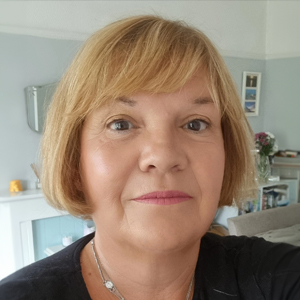
Ruth Hodkinson
Head of Student Accessibility and Inclusion

Nicola Keeling
Disability Support Manger
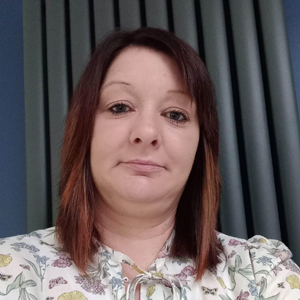
Emma Coupe
Disability Adviser for the Faculty of Natural Sciences and Foundation Year
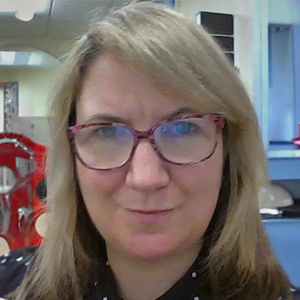
Claire Phillips
Disability Adviser for the Faculty of Medicine and Health Sciences
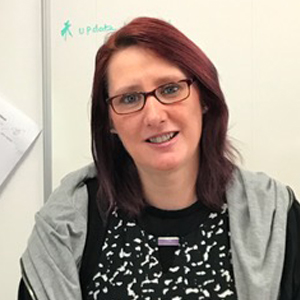
Jane Wilkinson
Disability Adviser for the Faculty of Business, Law, Humanities & Social Sciences and Apprenticeships
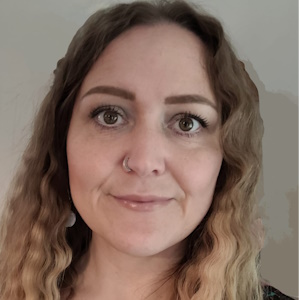
Amie Lovelock
Disability Adviser for the Harper and Keele Vet School and Foundation Year
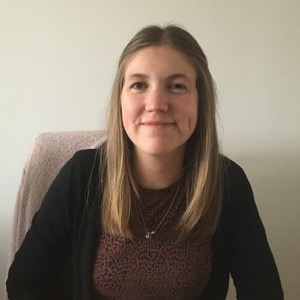
Rachel Cooper
Student Accessibility and Inclusion Team Administrator
Frequently Asked Questions (FAQs)
A disability is a physical or mental difficulty which has a substantial and long-term adverse effect on a person’s ability to carry out day-to-day activities. This may include: Specific Learning Difficulties (e.g. Dyslexia, Dyspraxia, ADHD), Medical Conditions (e.g. MS, ME, Diabetes, Epilepsy), Blind/ visually impaired, Deaf/ hearing impaired, Mental Health, Mobility and Autistic Spectrum.
If you are not sure whether you may be eligible for support, please contact us and see more information on our webpages
Yes, so that we can look at what support could be put in place for you, we will firstly need to see a of a copy of any medical evidence that you have and / or a diagnostic report which is the assessment that you may have already had to identity a specific learning difficulty. Please ensure that the evidence is written by your GP or a suitably qualified medical professional and details how this impacts on your day-to-day life.
If you are awaiting medical evidence, please contact us and we will discuss support while you wait for this.
Yes, we will notify the appointed Disability Inclusion Tutor (DIT) in your School of your disability and support needs in order to provide you with support. You can find out who your DIT is here.
Disabled Students Allowance (DSA) is support to cover the study-related costs you have because of a mental health problem, long-term illness or any other disability. You can apply through the government website and there is more information on our webpages . You can also book an appointment with your designated Faculty Disability Adviser if you need any help completing the application.
If you are not entitled to DSA, please do contact us and we can look at what support may be available for you.
You may suspect that you have a Specific Learning Difficulty (SpLD) for a number of reasons, such as struggling with the amount of reading expected on your course, feeling unable to organise your time, or having difficulties organising and writing your assignments.
Upon request, we can give you the details of an Educational Psychologist to arrange a diagnostic assessment and how to book an appointment with them. Please email support.dsi@keele.ac.uk to request these details.
A diagnostic assessment will determine whether or not you do have a SpLD and with a confirmed diagnosis of an SpLD, this will give you access to additional support and possibly DSA. If you feel you would benefit from prescribed medication you would need to seek further advice from your GP. Occasionally, an assessment will result in no SpLD being identified.
We understand that there may be times when you need us to discuss your disability and the support you require with a parent or guardian. We can do this but we need your permission.
You can do this by completing this form on the Self Service Portal . You will be asked to provide details for one person that we will be permitted to share your information with. In order for the form to open from the about link, you must first be logged in to your Keele account (KLE).
We will not discuss anything other than your disability and your disability support and please remember to advise us immediately should your decision to share your personal information with this nominated person change.
You can help them to apply for the Disabled Students’ Allowance (DSA) and encourage them to contact the Disability Support and Inclusion team (DSI).
UK Universities are not permitted to release information about academic progress, attendance or anything else to do with their academic performance, with anyone other than the student themselves. It is their responsibility to keep their parents or guardians up to date with their personal progress.
'Consent to Share' permissions are there to enable a student to nominate an individual to discuss their disability / medical condition and the support package relating to this. Students can read more about 'Consent to Share' here. Alternatively, they can log into their Student Self Service Portal direct to complete the same online form.
There is support available from the Disability Support and Inclusion (DSI) team, and also from other teams such as Counselling and Mental Health Services, Student Support (Student Experience and Support Officers (SESOs)) and Residence Life Support. We do have an independent medical GP practice on campus where students can register for their health care needs. Starting University, away from usual support networks can be a stressful time. Please encourage your son / daughter to seek support and also review all the available information on our webpages.