

Health, well-being and behaviour change group
Advancing health, wellbeing, and behaviour change through innovative, interdisciplinary, and socially impactful research.
We are a diverse team of psychologists and researchers exploring the many ways that health, wellbeing, and behaviour intersect in everyday life. Our work spans topics such as sleep and mental health, intergroup relations and refugee wellbeing, breastfeeding and parenting, health inequalities, digital health, cyberpsychology, reproductive and transgender health, weight stigma, and culturally tailored health promotion. We use a wide range of methods – from advanced qualitative and discursive approaches to mixed methods, intervention development, and digital innovation – often working across disciplines and with historically marginalised groups. Together, we aim to generate impactful insights that improve health, reduce inequalities, and shape positive change in society.
For further information about the Health and Wellbeing Research Group, please contact Research Group Lead, Dr Alex Scott.
Group members and expertise
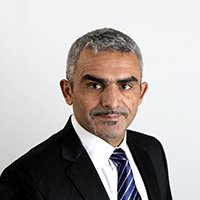
Dr Huseyin Cakal
Huseyin examines the impact of intergroup processes such as contact and social identity on mental health among the severely disadvantaged populations, e.g. refugees and indigenous tribes, mostly in the global south.

Dr Alexandra Kent
Alexandra studies how we seek, and provide, assistance and support in different contexts. She is focusing on new mothers’ experiences of accessing support, particularly around breastfeeding. Her work will explore public discourses around breastfeeding, one-to-one consultations for breastfeeding support, and how health professionals are trained to advise new mothers around breastfeeding.
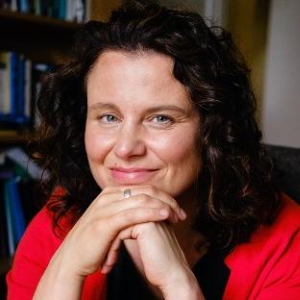
Professor Abigail Locke
Abigail Locke is a Critical Social and Health Psychologist and a full member of the BPS Division of Health Psychology. Her research explores identities, gender, parenting, and health communication, with publications on topics such as infant sleep, feeding, weaning, and media representations of parenting. She specialises in Critical Discursive Psychology and advanced qualitative methods, and is regularly invited to contribute on critical and qualitative approaches to health psychology. Abigail is Co-Editor in Chief of the Journal of Health Psychology, Associate Editor of Health Psychology and Behavioural Medicine, and co-author of Health Psychology (7th Edition, SAGE).

Dr Alexander Scott
I am a Health Psychology and Behavioural Science researcher with a particular focus on the role of sleep in mental health and health behaviours. Using mixed methods approaches, my work examines how sleep influences mental health and health-related behaviours. I am particularly interested in implementation science, adapting and testing sleep interventions for use in applied mental health settings, and developing digital approaches to improve engagement with insomnia treatments.

Dr Chris Stiff
Chris's work is in cyberpsychology, examining the psychological ramifications of technology use and the Internet. He focuses on three main areas. First, he examines social media and how it impacts our social lives and self-perception. Second, he investigates the positive use of video games to facilitate collaborative interactions. Finally, he is keen to look at any new technology (e.g., VR, AI) and how it may change our psychological functioning.

Dr Katie Wright-Bevans
Katie's work uses critical social psychological theories to understand health inequalities and identify avenues for individual and social change. She have worked with groups such as socially isolated older adults, disadvantaged young people, and sexual minorities. Katie draws on traditional and creative qualitative methods to understand social representations of health related issues.

Dr Jenny Cole
Jenny's work concerns gender, health and the body. She is currently focusing on weight stigma in health contexts, particularly during pregnancy and new parenthood and is also interested in weight stigma as a barrier to effective healthcare.

Annabel Roberts
PhD candidate focused on understanding how non-cisgender members of the LGBTQ+ community are constructed, contested and challenged in everyday life in the UK to facilitate social change, visibility and inclusion.
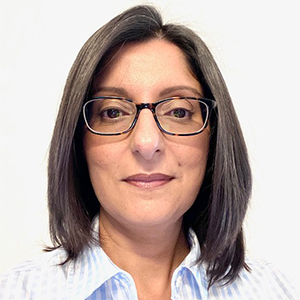
Dr Amrit Daffu-O’Reilly
Amrit is interested in addressing the high incidence of CVD and type 2 diabetes among South Asian people. In particular, she is interested in promoting healthy lifestyles among Sikh people and investigating how places of worship can support health. Using psychological models of behaviour change, I develop and evaluate religiously and culturally tailored interventions to improve health.
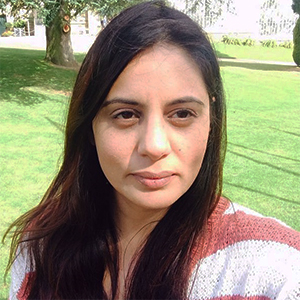
Dr Daljinder Chalmers
I am a mixed methods researcher with a particular interest in innovative approaches such as ‘think aloud’ methods and interdisciplinary collaboration across art, music, and design to better understand complex problems and develop creative solutions. My research focuses on working with historically, persistently, or systemically marginalised groups, with current projects spanning the role of sleep in health and wellbeing, transgender health, nocturia and its impact on women’s sleep, and reproductive health in pubescent girls and women. I also welcome collaborative work in military psychology and the application of psychology to sustainability and climate justice.
Work with us: Consultancy and partnership
Our group brings a wealth of experience and expertise in health, wellbeing, and behaviour change across a wide range of populations and settings. From designing and evaluating interventions to applying advanced research methods and analysis, our team can provide insights that make a real difference. We welcome opportunities to collaborate with community organisations, healthcare providers, policy makers, and industry partners to create meaningful impact.
For further information, please contact Research Group Lead, Dr Alex Scott.
PhD opportunities
We welcome enquiries from prospective PhD students who are interested in developing projects aligned with our research on health, wellbeing, and behaviour change. If you see a good fit with one of our staff members’ expertise (see profiles above), please contact them directly to discuss potential supervision. Keele University is part of the UKRI ESRC North West Social Science Doctoral Training Partnership, and applicants interested in this highly competitive funding scheme should reach out as early as possible to avoid missing the application cycle. We also welcome enquiries from students considering self-funded doctoral research.