

Research by Keele alumnus improves outcomes for children with rare type of brain tumour
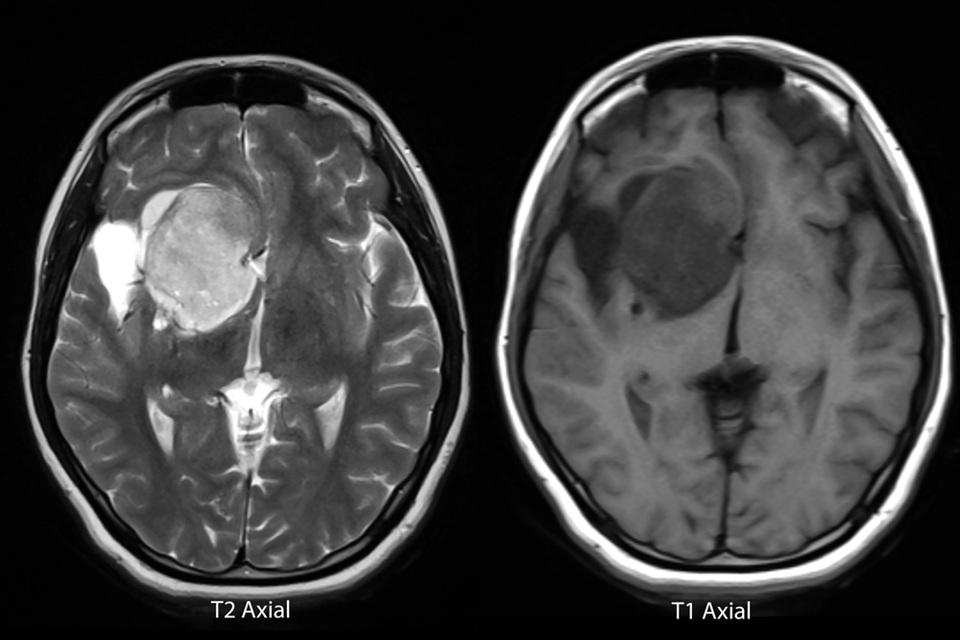
Research led by a Keele alumnus has improved the prognosis for children with a rare type of brain tumour, with around 15-20 children per year in Europe now able to access treatment.
Dr Matt Clarke, who completed his training in Keele’s School of Medicine and his foundation years at Royal Stoke University Hospital, carried out the research as part of a global team while working at the Institute for Cancer Research (ICR), studying a rare type of tumour called a high-grade glioma for his PhD.
This type of tumour is typically very aggressive, can occur in patients of any age, and have a very poor prognosis, but in their research Dr Clarke and his colleagues identified that those tumours occurring in infants had slightly better outcomes, and wanted to find out why.
After studying the tumours in more depth, their findings indicated that the tumours in infants have a specific genetic change (a fusion or translocation in a specific set of genes) in isolation, which was different to what is seen in tumours in older children and adults.
High-grade gliomas are very challenging to treat, usually because they contain multiple different genetic mutations, each having a different function which helps to drive tumour growth. Therefore, to identify this new subgroup in infants which had only a single change was important, particularly as a specific treatment that targets this change actually already exists.
As a result of publishing their findings and presenting the data around the world, a new clinical trial has been created, and there is now a new chapter in the WHO classification of central nervous system tumours dedicated to this tumour. It means that doctors around the world can now make use of the information when treating children with this type of tumour, taking the prognosis from a potentially palliative one to a treatable one with many examples of children being cured.
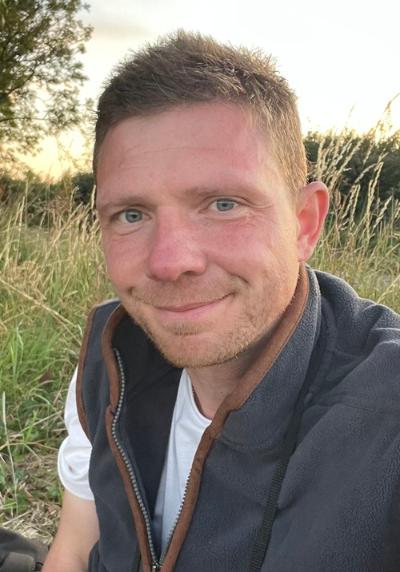 Dr Clarke has also been engaged with research on high-grade gliomas which occur in teenagers and young adults, another understudied group of patients, and has recently published his findings from this study too, helping to identify novel tumour subgroups which occur in this population.
Dr Clarke, who is shortly to become a Clinician Scientist and Consultant Paediatric Neuropathologist at Great Ormond Street Hospital and the ICR, said: “Collaboration is vital for research to progress and this was a team effort; it has been a pleasure to work with so many colleagues both nationally and internationally, along with the expertise of the Glioma Team and cutting-edge facilities at the ICR, to make a difference to the outcome for these very young children. But more work is needed to help others who develop these horrible tumours.”