
ENGAGE
Engaging communities to tackle the impact of climate change on HIV epidemic in adversely affected communities of sub-Saharan Africa
Funded by: Research England - International Science Partnerships Fund, Official Development Assistance (ISPF ODA)
Overview
HIV/AIDS remains a significant global health challenge, marked by unacceptably high rates of new infections and AIDS-related deaths. Emerging global threats include climate change and foreign aid disruptions which have negatively affected HIV programs in low- and middle-income countries (LMICs). These setbacks threaten the progress made in fighting the epidemic, and call for sustainable community-led response.
In addition to being disproportionately affected by HIV, sub-Saharan Africa (SSA) faces additional challenge of changing climate. The UNAIDS highlights how the most vulnerable to climate change are also disproportionately affected by HIV. This project focuses on climate change as an emerging threat to HIV control in adversely affected communities of SSA. It draws on the Frontline AIDS framework, which addresses the interconnectedness of climate change and HIV, as well as conceptual frameworks detailing the synergistic relationship between climate change and the HIV/AIDS epidemic. These frameworks identify four pathways linking climate change to HIV/AIDS transmission and health outcomes: increased food insecurity; a rise in other infectious diseases; increased human migration; and the erosion of public health infrastructure.
Focusing on a high HIV burden setting in western Kenya that is prone to adverse climate events, this project aims to engage local communities to identify community-led strategies for tackling climate change impact on HIV epidemic in adversely affected communities. The project activities include:
- a systematic review of community-based initiatives to tackle the impact of climate change on HIV and other public health crises in SSA;
- qualitative research with community representatives, including community health workers and people living with HIV on views and experiences of climate change impact on HIV care/management and outcomes;
- stakeholder /community engagement and consensus workshop to identify community-led sustainable initiatives for tackling climate change impact on HIV in a setting disproportionately affected by both HIV and climate change; and
- capacity building workshop on proposal development to empower local experts to lead the development and design of relevant research to address emerging local public health threats.
Through active engagement of affected communities and local experts, the project helps inform the development of sustainable community-led initiatives to mitigate climate change impact on HIV epidemic and improve resilience. It is strategically positioned to contribute to Kenya’s development blueprint, Vision 2030, which promotes resilience-building through community-led adaptations and the integration of scientific knowledge with indigenous practices to create solutions for climate change. Findings will inform climate adaptation and mitigation policies that are required to address HIV epidemic in western Kenya and other adversely affected resource-limited settings in SSA.
Project Partners
ENGAGE project is a collaboration between: Keele University School of Medicine (UK) and Tropical Institute of Community Health and Development (TICH) in Africa (Kenya).


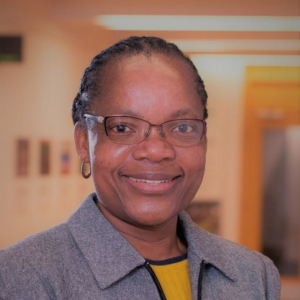
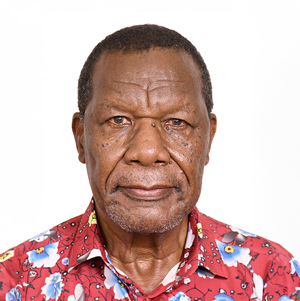
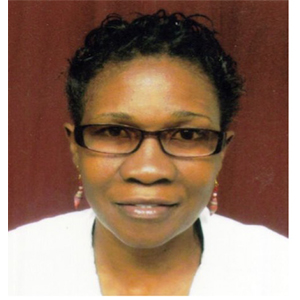
The project is led by Professor Monica Magadi of Keele University School of Medicine (UK) in collaboration with Professor Dan Kaseje and Professor Margaret Kaseje of the Tropical Institute of Community Health and Development (TICH) in Africa (Kenya). The project brings together a team of investigators from the two partner institutions in Kenya and UK:
|
UK |
Kenya |
|
Partner Institutions |
|
|
Keele University |
TICH |
|
Professor Monica Magadi (PI) Dr Opeyemi Babatunde (Co-I) Dr Oluseyi Ayinde (Co-I) |
Professor Dan Kaseje (Co-PI) Professor Margaret Kaseje (Co-PI) Ms Grace Achiando Olilo (Co-ordinator) Ms Beldine Omondi (Research Associate) |