

Keele criminologist helping shape national response to illegal number plates
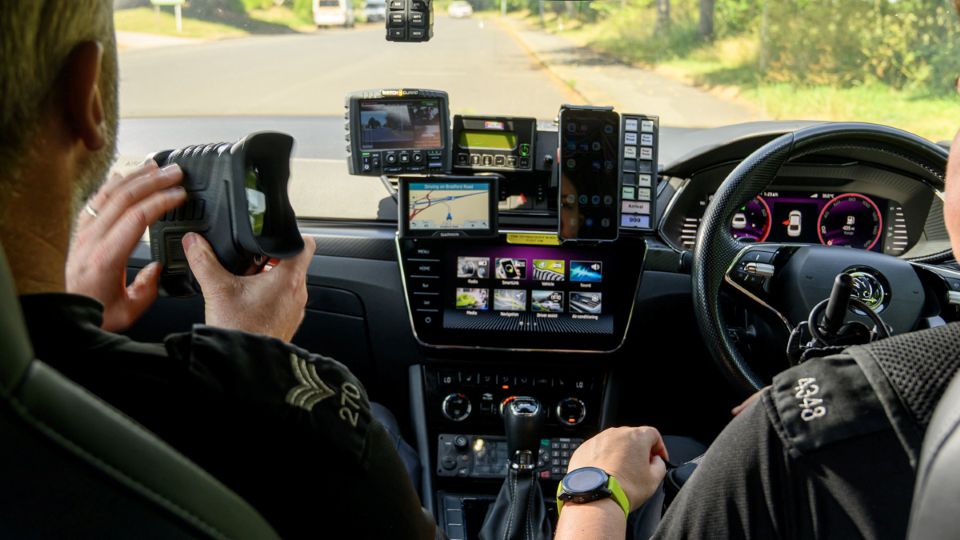
A Keele University researcher is playing a key role in a new nationwide initiative targeting illegal vehicle number plates, which are often used to evade law enforcement and support wider criminal activity.
Dr Helen Wells, Senior Lecturer in Criminology at Keele, is working with the National Roads Policing Coordination Centre (NRPCC) as its Innovation and Insight Lead, as police forces across England strengthen efforts to tackle illegal, cloned and so-called "ghost" number plates.
The initiative is backed by Department for Transport funding and aims to improve collaboration between forces, strengthen intelligence sharing, and support the use of new technologies to detect offending.
Illegal number plates are often used to avoid speeding, parking, and clean air zone penalties, and can also be linked to wider criminal activity including the movement of illegal goods. Vehicles that cannot be identified through number plate recognition technology are more difficult for police to trace when linked to organised crime, vehicle theft, and other serious offences.
As Innovation and Insight Lead for the NRPCC, Dr Wells is helping to ensure roads policing activity is informed by research and evidence, while supporting efforts to understand and evaluate the impact of new initiatives.
-485x363.jpg)
Dr Helen Wells is working with the National Roads Policing Coordination Centre (NRPCC) as its Innovation and Insight Lead.
Dr Wells said: "I am delighted to have been given the opportunity of working with the NRPCC, as Innovation and Insight Lead, at such an important time in the UK's roads policing journey. The centre is a fantastic example of how policing is embracing academic research, both in terms of the activities it supports and its desire to evaluate and understand the impact of those activities.
"The current focus on illegal number plates is crucial to making our roads safer, as untraceable drivers put everyone at risk when they cannot be held accountable for their actions - be that through unsafe driving, or using the roads to support other criminal activities."
The national operation is focused on tackling several forms of number plate offending, including cloned plates which copy the registration of a legitimate vehicle, and "ghost plates" which use specialist films or materials to make registrations difficult for cameras to read. Drivers using incorrectly displayed number plates can face fines of up to £1,000.
The work forms part of a wider effort to improve road safety and tackle criminality on the road network through central coordination of evidence-led activity. Recent operations coordinated through the NRPCC have demonstrated how roads policing can improve road safety and act as a cross-cutting capability, disrupting criminal activity and protecting the public.
Chief Superintendent Marc Clothier, Deputy National Coordinator for the National Roads Policing Coordination Centre, said: "Through the National Roads Policing Coordination Centre, our mission is to tackle the biggest risks to road safety, enhancing and developing the police response to criminality both on and off the roads.
"Our national 'ghost plates' operation brings together expertise and best practice from policing in our approach to ghost, cloned and unidentifiable numberplates, enabling testing of new technology, tactics and intelligence development."