

Targeted testing for common molecule could improve cardiovascular risk prediction
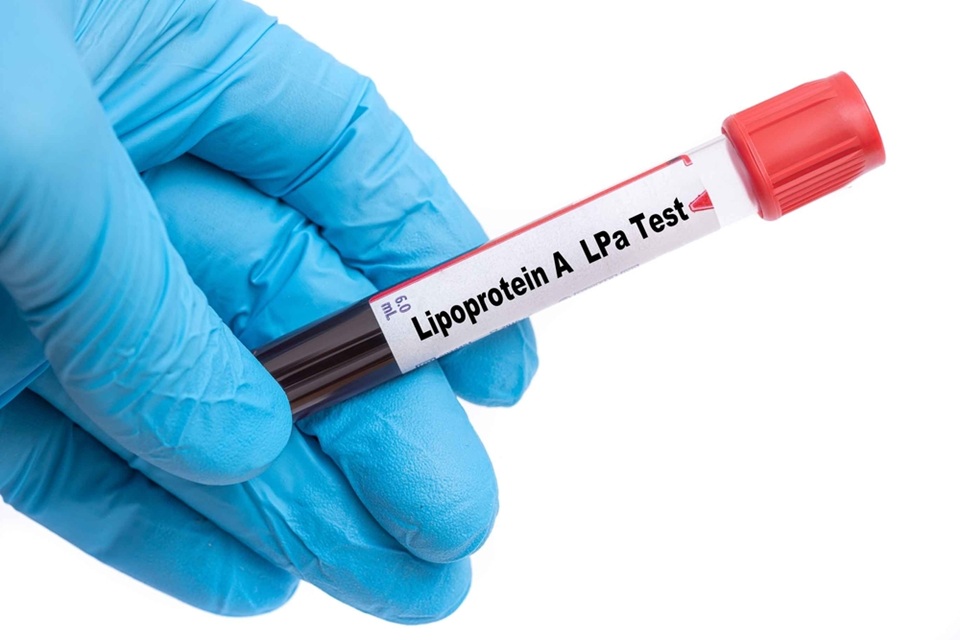
Researchers at Keele University have said that more targeted use of testing for a common molecule could help to improve predictions of cardiovascular disease outcomes in patients at greatest risk.
The findings, published in the European Journal of Preventive Cardiology, relate to the testing for lipoprotein levels (Lp(a)), which is increasingly being recognised as a risk factor for cardiovascular disease.
Current clinical guidelines worldwide recommend measuring Lp(a) at least once during an individual’s lifetime, regardless of a person’s baseline traditional cardiovascular risk, which is determined by things like age, blood pressure, cholesterol levels, smoking, and diabetes.
In this study, the researchers looked at electronic health records data representing more than 55 million patients in the United States, to assess whether there was any association between raised Lp(a) levels, baseline traditional cardiovascular risk, and adverse outcomes, including deaths from cardiovascular disease or from any cause.
Their analysis found that patients with a higher Lp(a) level, who also had higher baseline traditional cardiovascular risk, were at a 25% higher risk of dying from any cause and a 21% higher risk of dying from heart disease over an average follow-up of about 22 years, showing that testing for Lp(a) levels can give a good indicator of someone’s risk of a cardiovascular event in this group of patients.
The researchers say these findings are significant not only because of the current guidelines for Lp(a) testing, but also because several Lp(a)-lowering therapies are currently undergoing clinical trials to see if they can improve patient outcomes.
These findings are therefore important for healthcare policy around the world and support a more stratified approach to disease prevention, in which future Lp(a)-lowering therapies, if proven effective, could be prioritised for patients with both higher Lp(a) levels and higher baseline traditional cardiovascular risk.
Dr Mustafa Hussein Ajlan Al-Jarshawi, Academic Clinical Fellow in Cardiology at Keele supported by the National Institute for Health & Care Research, and the lead research author, said: “This study looked at lipoprotein(a) in a new way, by focusing on who it matters most for rather than treating everyone the same. Using data from a very large, nationally representative population followed for more than 20 years, we were able to examine how lipoprotein(a) relates to long-term outcomes.
“We found that it is most useful for predicting risk in people who already have a higher baseline risk of cardiovascular disease. This makes the findings particularly relevant to real-world clinical care, where prevention strategies need to be tailored to an individual’s overall level of risk.”