

Researchers find link between higher levels of air pollution and Dengue-related deaths
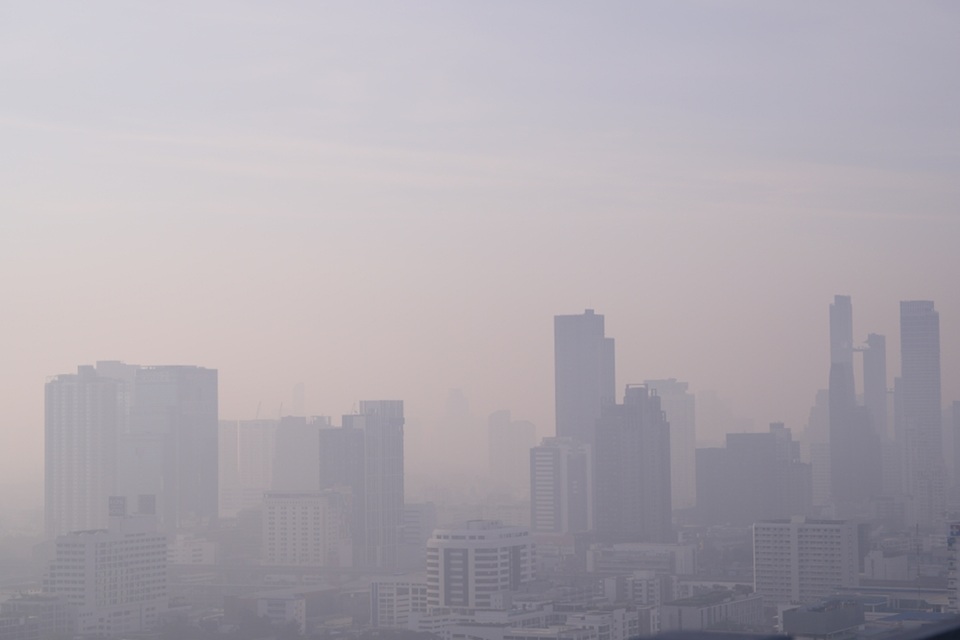
A research team including a Keele scientist have found that countries with higher levels of air pollution were also more likely to have higher numbers of deaths from Dengue, a rapidly expanding disease spread by mosquitoes.
The team including Keele’s Dr Najmul Haider conducted a multi-country study across 20 nations across Asia, Africa and Latin America where Dengue is endemic, and found that those with higher levels of air pollution also had higher numbers of Dengue-related deaths during that time.
Their findings, published in the journal Environmental Pollution, offer the first multi-continental evidence of a link between exposure to air pollution and increased Dengue mortality, with the researchers highlighting that strategies to control both air pollution and the Dengue virus could have benefits for both disease prevention and environmental health.
To investigate this link the team looked at data from the 20 different countries between 2020 and 2024. They looked at national data about the prevalence of Dengue in these countries, combined with air pollution data indicated by the concentration of fine particulate matter (known as PM 2.5).
Their data showed that countries with higher PM 2.5 concentrations, particularly Bangladesh, Indonesia, and Burkina Faso, recorded 3–5 times more deaths from Dengue than those with lower air pollution, such as Brazil, Ecuador and Costa Rica. They also found that countries with higher GDP per capita had lower dengue case fatality rates.
Long term exposure to PM 2.5 is known to induce symptoms like systemic inflammation and oxidative stress, which can impair endothelial function; a process which can have a major impact on the body's overall vascular health. In dengue infection, this may increase the risk of key pathological processes associated with severe and fatal cases, such as vascular permeability and plasma leakage.
Dr Najmul Haider, Lecturer in Epidemiology at Keele and co-author of the study, said: “Our findings offer early global evidence that air pollution may worsen dengue outcomes, including the risk of death. Understanding the underlying biological mechanisms, particularly through laboratory biomarkers, will be crucial for improving prevention and clinical management.”