

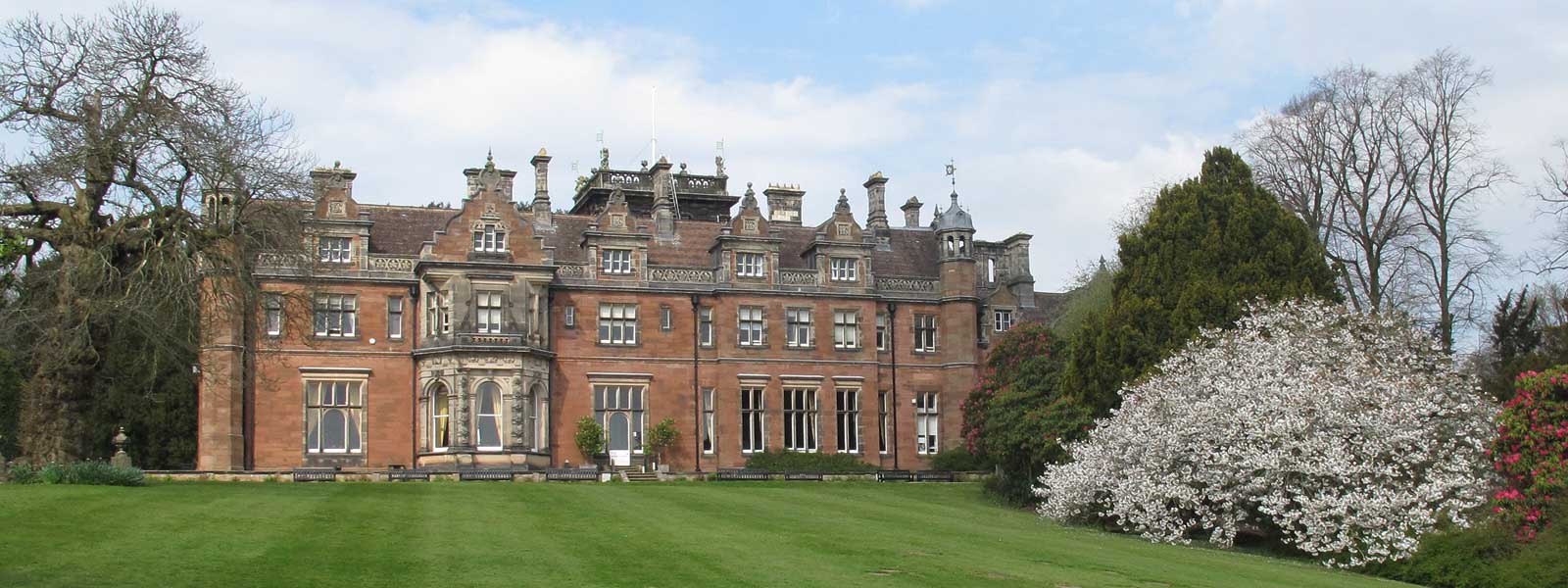
Keele University Arboretum
A wonderful environment for flora and fauna
If you are planning a visit or can't visit in person then enjoy the arboretum through our website.


We hope you enjoy your visit to our site. If you have any comments then please use this page
Acknowledgements
Many people have contributed to the arboretum and its website. In particular my thanks go to Peter Thomas, Graham Lees, Chris Sanders, John Downing and Jane Barker.
Copyright
All images used on this site are © David W Emley unless indicated otherwise and must not be used without permission. High resolution images for publication are available. Contact arboretum@keele.ac.uk.