Extra-Mural Studies (opens in a new tab)
Phil Catney Open Strategy Journal ID001

Our Strategy 2027-2032
Built in Staffordshire.
Global in ambition.
Excellence Community Distinctiveness
Keele was created to bring people together. To go beyond disciplinary boundaries. Rooted in Staffordshire and proud of our history, we will renew our founding purpose to be an interdisciplinary-driven university that serves our region and makes a global impact.
Our ambition is to become a Global Powerhouse for the Potteries, Staffordshire, and the Midlands.
We want to be the university of choice for students, partners, and employers across our region and beyond, with continued student recruitment growth, more globally impactful research, and be the civic anchor for our great region.
Priority 1
We will combine research-informed academic depth with cross disciplinary breadth equipping every student to thrive now and in their future lives.
Learn more about a distinctive Keele educationPriority 2
We will focus research where Keele can excel and lead internationally, connecting disciplines and partners through discovery, innovation, and impact.
Learn more about our researchPriority 3
Keele will be a living laboratory for sustainability and a catalyst for regional renewal, with thriving communities both on and off campus.
Learn more about our placeBuilt in Staffordshire. Global in ambition. Introducing Keele. Reimagined. Our strategy for 2027-2032.
Credit: Jenny Harper Photography
Dawdlers-Restoke | SEAMS Project
As we approach our 80th anniversary our ambition is to renew our founding spirit and build confidently upon what makes Keele special.
This strategy marks a step change in Keele’s ambition and sets our vision for the future. Our commitments will be managed through our annual delivery plans and monitoring through ambitious and externally-benchmarked measures that drive improvement across the University and establish Keele as a powerhouse for our region. We will report openly on progress, act where we need to improve and continue to invite ideas and challenge.
Three key themes will enable us to successfully deliver our new strategy:
Enabling activity 1
We will create rewarding careers and an inclusive, respectful community where colleagues can develop, contribute and adapt.
Learn more about supporting peopleEnabling activity 2
We will build deep, mutually beneficial partnerships that widen opportunity, strengthen our academic mission and support prosperity.
Learn more about our partnershipsEnabling activity 3
We will make open and disciplined financial choices and ethically employ technology and data to improve decisions, productivity and experience.
Learn more about a resilient future universityOur new principles of excellence, community and distinctiveness will shape our priorities and guide the choices we make to achieve these ambitions.
Excellence means setting consistent high expectations throughout our education, research, partnerships and professional services. We will create an enabling environment in which talented people can flourish.
Community means supporting one another and bringing students, colleagues and partners together around a shared purpose. It means recognising that Keele’s success is inseparable from the wellbeing of our people, our environment, and the prosperity of our region.
Distinctiveness means investing in what is unmistakably Keele: education that crosses disciplines and delivers more than just specialist knowledge. Research that connects discovery with practical benefit. Our amazing campus. We will stand apart in a university sector that too often looks and sounds the same.
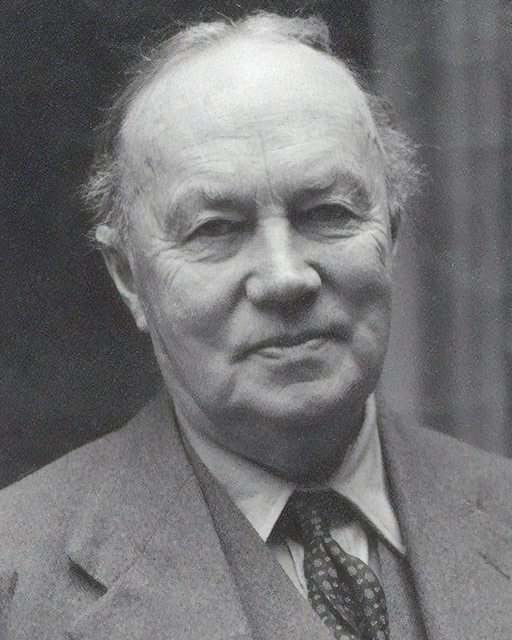
“Could we make in the Potteries a University on new lines?”
The resulting strategy has been shaped by people with different experiences of Keele and a shared interest in its future.
Read their ideas in the Open Strategy Journal on keele.ac.uk
Voices
Phil Catney Open Strategy Journal ID001
Abigail Locke and Kirsty Watts-Rollings Open Strategy Journal ID027
Tracy Nevatte Open Strategy Journal ID152
Fabienne Emmerich Open Strategy Journal ID110
Zoe Robinson Open Strategy Journal ID235
Tolu Olarewaju Open Strategy Journal ID028
Miroslav Spasov Open Strategy Journal ID138
Ideas in the Journal are contributions to the strategy. They do not represent final University policy.
Voices
Support is not the opposite of resilience; support creates resilience, because independence is not learning to struggle alone, independence is about learning how to navigate challenges effectively.
 Sophie Borman, Development and Democracy Officer at KeeleSU, 2025‑2026
Katherine Haxton Open Strategy Journal ID137
Masi Noor Open Strategy Journal ID262
Adam Hall Open Strategy Journal ID143
Voices
When we think about the local and the global, we cannot put them to one side in distinction to one another; we need to merge them together.
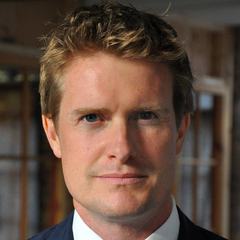 Sir Tristram Hunt, Director of the V&A, at Keele in 2026
“I think Keele is a really special place. It’s always had a particular sort of character. It’s got an absolutely phenomenal campus, and its campus is a huge asset to the region - hosting innovative companies, generating clean power, and supporting thousands of jobs.”
 Vivienne Stern, Chief Executive Officer at Universities UK, at Keele in 2026
“If you are serious about looking at the challenges of our time - global challenges, climate change, war, pandemics - you need both global technology and local context to train people to address those challenges.”
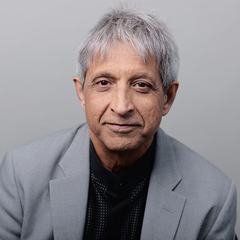 Professor Adam Habib, Vice-Chancellor of SOAS University of London, at Keele in 2026
“I say we need Keele locally, from that we can inform nationally, and from that we can change the world.”
 Carol Shanahan, Chancellor
Voices
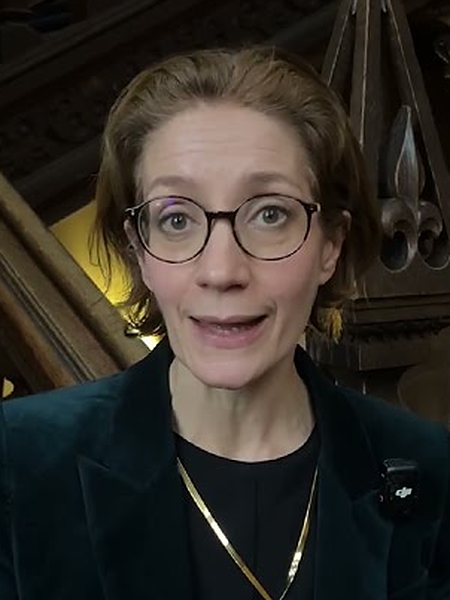 Watch the film: Vivienne Stern
I think Keele is a really special place. I mean, I think it’s always had a particular sort of character. It’s got an absolutely phenomenal campus. The space it’s got creates great opportunities. We spent time on the science park meeting companies that were, you know, making the best of the fact that they’re able to scale and grow a business but surrounded by your staff and students. So I think from that point of view it’s been fabulous.
We’ve got this extraordinary opportunity. Our universities are in very many cases actually global institutions. They’re institutions that have international cohorts of students. They’ve got staff from all over the world. We’ve got an absolutely outstanding reputation for research. I think that we’ve got an importance which goes beyond what happens on campuses. You know, the fact that there are people in almost every country in the world in senior positions in governments, in business, in public services, who were educated in the UK, who were very fond of their time here and who remain bonded to us. You cannot buy that kind of power of attraction.
We are in an extremely dynamic environment when you think about our exposure to what’s happening in the rest of the world, and I believe that the university sector in the UK is phenomenally important to our prosperity. And I think we’ve got to talk about that, because if we want to be confident that we’ve got a resilient and sustainable university system, we’ve got to mitigate some of the risks that are emerging in an increasingly contested world.
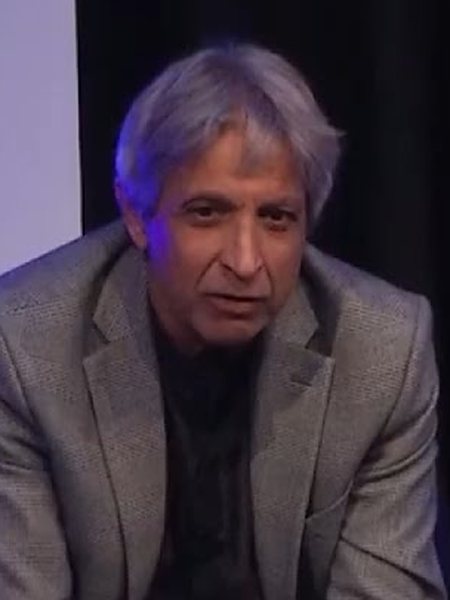 Watch the film: Professor Adam Habib
Universities are not simply places where you learn in the classroom. They are places where you navigate an ecosystem, where you learn from other students, where you come to a complex environment. What was a life-changing experience for me as a young student was when I went to study in New York. For the first time I left South Africa, studying in New York, and I met students from 50 other countries in the world in my class, and suddenly I realised for the first time, astonishingly, that South Africa was not the centre of the world. [Laughter] That the only struggle in the world was not the anti-apartheid struggle. That people were fighting. And that simple realisation, and being able to navigate the experiences of everybody else, fundamentally changed my life.
Universities do that, and more so now than ever before. And don’t underestimate how much you learn from sitting in that cafeteria, or on the playground, or just navigating relationships on a day-to-day basis from people who don’t look like you, who don’t play like you, who don’t think like you. Because that navigation sets you up on how to navigate a more cosmopolitan world. And if there’s anything that’s happening, this world is becoming more integrated, whatever the politicians would like to wish. And we’re going to have to learn how to navigate each other. And if anything universities do, it allows us to navigate with other human beings. [Applause]
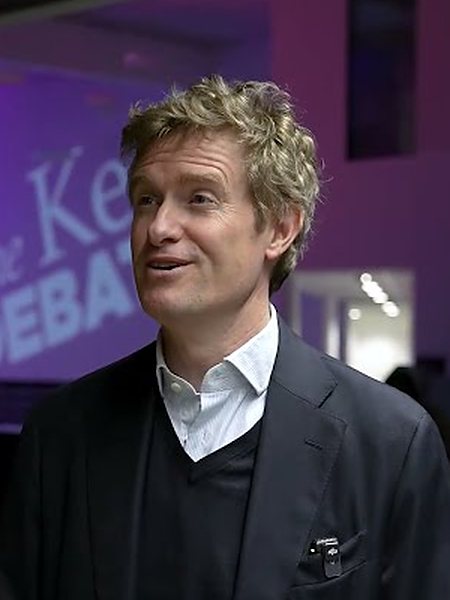 Watch the film: Sir Tristram Hunt
I think it’s a really fascinating debate about that tension between the local and the global. And I think my argument this evening is that they’re not necessarily in competition or contradiction of one another. That here in North Staffordshire, we’ve always debated big global issues, and I’ll be drawing on my work on Josiah Wedgwood, who was a man of the six towns and of Stoke-on-Trent but also thought about big issues right around the world.
I think people do have increasingly kind of entrenched views about the priorities needed, but I think the role of cultural institutions and a lot of educational institutions like Keele University is to provide that context, is to provide that history, is also to say actually some of these debates we’ve been having for quite a while and there are progressive ways through them. I think it’s so important that you have these debates where you do have differing views but you’re discussing them in an engaged, civil, respectful way. Not everyone is going to agree at the end. Not everyone’s going to come to a consensus.
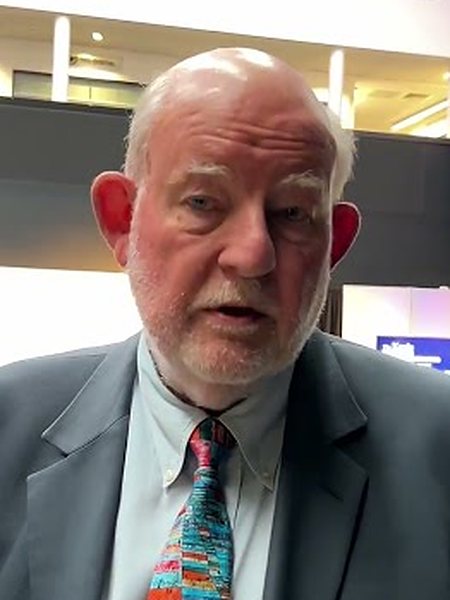 Watch the film: The Rt Hon Charles Clarke
I’m delighted Keele is having this debate. I think we need to think much more about what’s happening in our world, how it’s changing - not to live in some kind of self-indulgent examination of our navels, but to understand where things are going in the wider world and what the place of ourselves as individuals, but also of institutions like universities, is in that. The way to do that is to have high-quality discussions and conversations.
My fundamental view is that AI shouldn’t be a spectre which we’re frightened of, but a tool to benefit our lives which we have to try and control. And so the challenge for universities is to ensure that students come out of university understanding how to do that - not in hock to a kind of technical way of seeing the world, but in terms of saying: what are the questions that have to be answered, how do we do it, and so on. The single most important thing is critical thinking. You have to look at what’s coming and say: how does it work? What’s going on? And that requires a basic level of understanding - things like understanding logic, things like understanding statistics, data. Those things are all important. But the key skill is to critically think about the world in which you live, to assert the humanity of every individual. And that’s what universities need to instil.
Voices
26 films from the Keele Debates and our alumni.
 Watch the film: Vivienne Stern
What if international education didn’t have to turn a profit?
What would your international strategy look like if you didn’t have to turn a buck? I described this as don’t pull the wool over your own eyes, and I think you talked about the danger of doublespeak, that when you’re setting up a partnership, if you’re saying actually this is all about, you know, the good of humanity, but actually really it’s about filling a hole in your bottom line, then you are kidding yourself.
I’ve had the enormous honour of going to many countries where there is a really strong appreciation of the link between access to outstanding higher education and opportunity at a personal level and a national level, the sort of a thing that I think we lose so easily in an advanced economy, this sort of sense that education is the way out of poverty. And being privileged to be in conversations with people who can see that there is a win-win here. But there’s a win-win here at the individual level and at the national level.
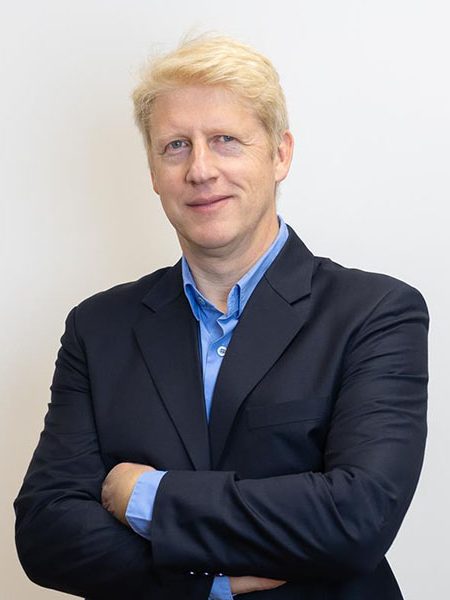 Watch the film: The Rt Hon Jo Johnson
Do international students have a real choice?
And I just fundamentally disagree that UK universities, English universities, are overcharging. Say four words to you: willing buyer, willing seller. Students are not coerced, right? The title of this debate is exploitation. Intrinsic in the idea of exploitation is coercion, lack of agency, lack of choice. That’s simply not the case.
The international students who add such enormous value to our system are very sophisticated in their decision-making. They have access to plentiful information. Their decisions are carefully weighed up, often years in advance. They have choice. Britain isn’t a monopoly provider of international education. We have stiff competition from countries around the world, in the Gulf, in countries like Singapore and Malaysia, also now offering international education. So there isn’t a sense in which students are coerced in coming to the UK to undertake their studies.
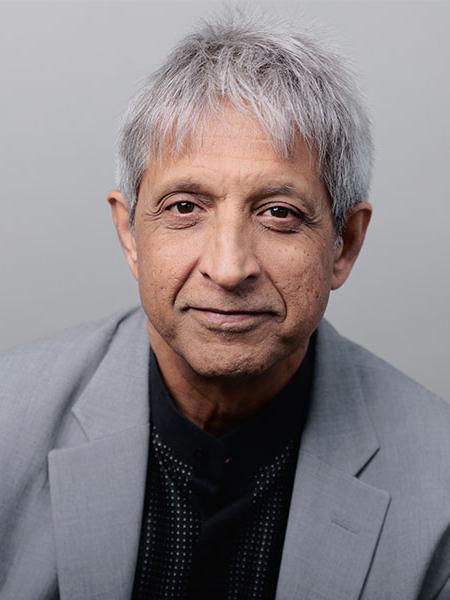 Watch the film: Professor Adam Habib
Could shared teaching lower university fees?
The whole system functions on effectively overcharging international students and cross-subsidising domestic students. And I think it’s worth saying that pedagogically, if you are serious about looking at the challenges of our time, global challenges, climate change, war, pandemics, you need both global technology and local context to bridge, to train people to address those challenges. And it seems to me that the best way to do that is to think through bringing together universities and curriculums to bring the local and the global in conversation with each other.
Where we are actually doing a lot of work is partnerships. And the reason we’re looking at partnerships is to try and think a new business model. And the way we’ve been doing it is kind of joint teaching and joint research. So if you go and partner with selected universities around the world and you do joint teaching, what you really begin to do is drop your costs, because now you’re spending half of the labour time teaching, because the other half is done by the local institution. When you do that, costs fall. If costs fall, if you play with costs and scale, you can reprice fees. And you can cut fees from what is 28,000 to 12, 13, 14,000, depending on which context you’re looking at.
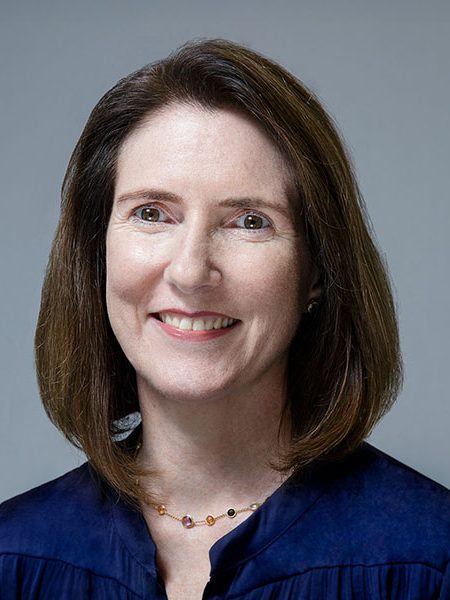 Watch the film: Jessica Turner
Why UK universities can’t rest on reputation
I was at a university that’s a top 500 university in the world. Absolutely stunning facilities, 99.8% employment rate, work-integrated learning for every student, and they had global partnerships that those students could participate in with top US, UK and Australian universities and industry partners.
Now that looks a lot like what we’re promising to students all over the world. And actually, if universities in India, universities in Malaysia, universities in the Middle East, are actually better at providing that, the UK sector needs to ensure that it is staying really on top and not resting on the reputation for the long term.
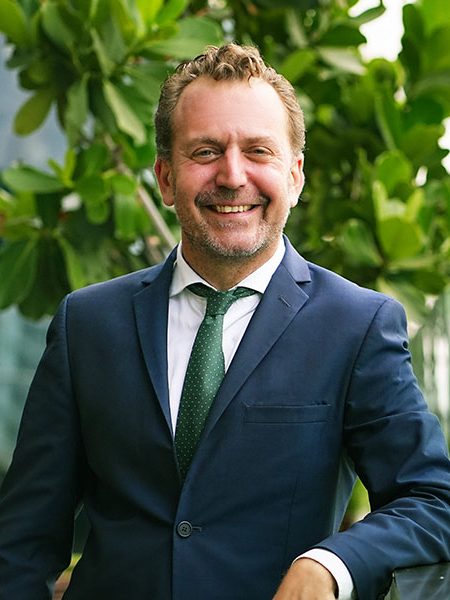 Watch the film: Paul Lovegrove
How international education changed in 30 years
And 30 years ago, I taught Nigerian students who wanted to do law in Brighton. That’s what I did. And there was no China market, no students came from China. There were no managed campuses, there was no transnational education. There were flows of students coming from Southeast Asia that was impacted by a series of big challenges in the 1990s.
And I think if anyone had sat there 30 years ago and explained what the fabric and structure of internationalisation looks like today, I don’t think anyone would have believed them. And that will be true in 30 years’ time.
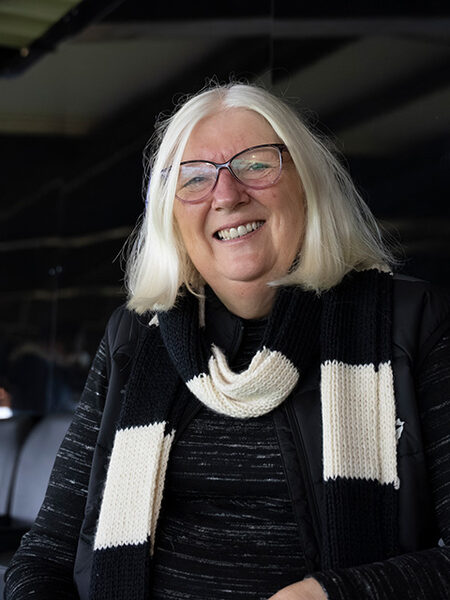 Watch the film: Carol Shanahan OBE
How feeding children helped shape national policy
So I thought, well, it can’t be hard, feeding a few kids. I’ve got four, just multiply it. It is hard, it was hard. We took eight schools, and we fed these children, and we gave activities during the school holidays. From that, we got the evidence that we needed.
And from there, we were able to write a report, and the place that we came to was Keele. I knew I needed academic rigour. You need academia behind you to get that change. And Keele gave us it. And from that, we were able to go to national government, and Holiday Activities and Food, the HAF project, the report that we did fed into that.
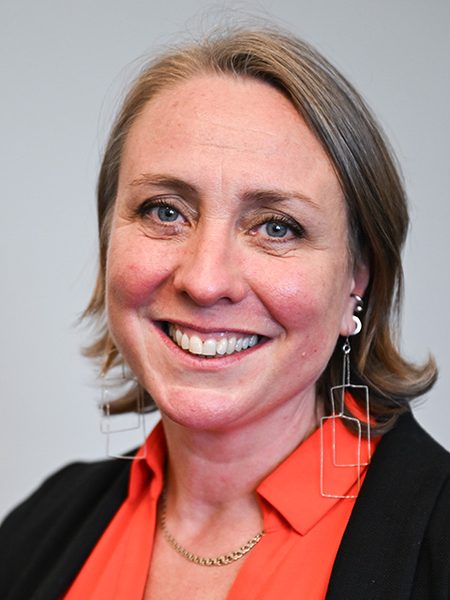 Watch the film: Dr Alicia Greated
Do people see the local benefits of research?
People do not feel connected to research and development. They really struggle to see its benefits. Less than a third of the people that we polled could immediately think of lots of ways that research and development impacts on the UK or their region. Just 18% of people, that is less than one in five people, when they were asked about benefits, could think about them to their local area or to them individually.
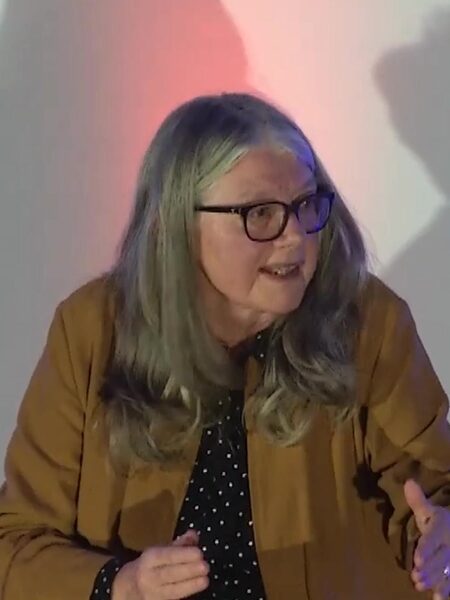 Watch the film: Joan Walley
Why local lives and global goals go together
But what we need to do is to bring all these partners and businesses and community groups, and I think that Keele’s logo has to be at the heart of it. And if we put, I think it’s number 17 of the Sustainable Development Goals at the heart of how Keele takes its ethos forward, just like with the foundation year back in 1949, then with that connectivity and partnership, we can say local lives matter. Global goals matter. It’s not a football match, one versus the other. It’s actually collaborating and making that partnership work.
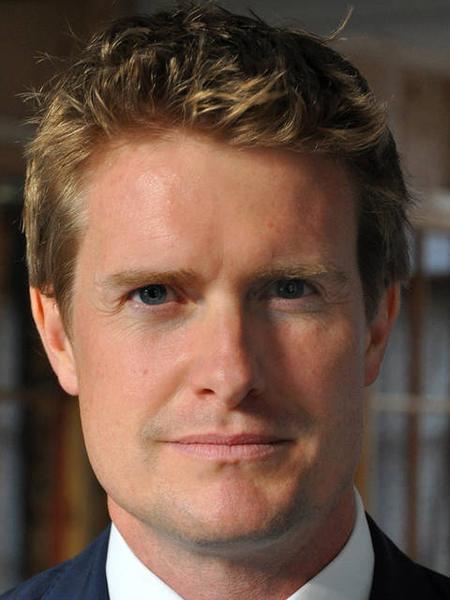 Watch the film: Sir Tristram Hunt
What Wedgwood tells us about local and global influence
Josiah Wedgwood’s life in the mid-1700s, in the narrow vales of North Staffordshire, in the six towns of the Potteries, he was also dealing with global forces, he was influencing the world, and the world was influencing him. So when we think about the local and the global, we cannot kind of put them to one side in distinction to another. We need to merge them together.
 Watch the film: Cllr Martin Murray
Why the Potteries still matter to high-tech Britain
We are still in the Potteries. We are still in ceramics, but ceramics today do not necessarily make your cup and saucer. They’re lining your nuclear reactor. They’re out there on your satellites. They are in every single one of your phones. The bed that your chip sits on is ceramic. So why are we not leading the world again on ceramics? Because we have the technology here.
 Watch the film: Chris Havergal
What studying the Ostrogoths taught me about work
I haven’t written a word about the Ostrogoths in the best part of 20 years, but I use the skills that I developed while a student at York every single day: the ability to assimilate large amounts of information, to think critically and to form judgments, and to communicate effectively. When I think about what employers want in graduates and are likely to need in future, these sorts of qualities still figure very highly.
So my argument is, again, that breadth and depth are not mutually exclusive categories. In fact, it is in the process of acquiring deep knowledge in an academic subject that students develop the broad range of skills that set them up for success in their future careers.
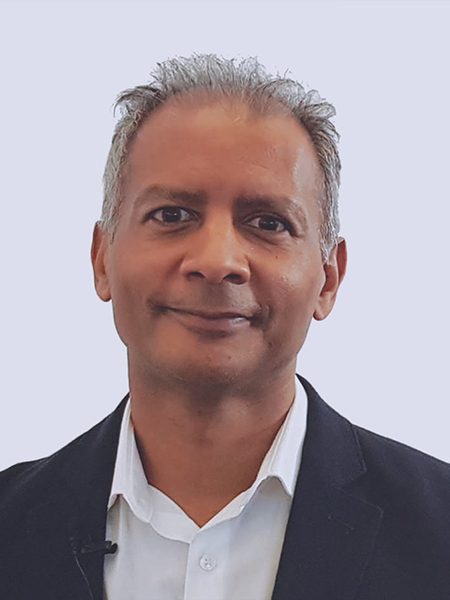 Watch the film: Professor John Domingue
Who checks the work in an AI knowledge factory?
Fresh graduates won’t be using knowledge in the same way that graduates use today, but they’ll be setting up what I call a knowledge factory. So instead of a fresh graduate writing a report, a single report, and being evaluated on that, they’ll orchestrate an army of agents to be a pipeline for generating a whole class of reports. So AI is creating knowledge artefacts, and the humans are evaluating them, verifying them, triangulating them, auditing them.
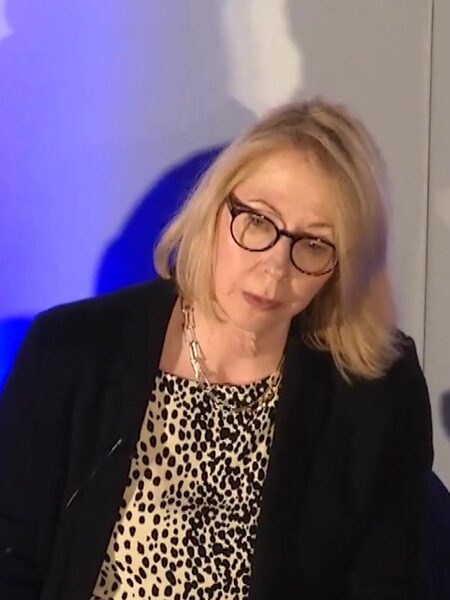 Watch the film: Sally Bucknell
Why breadth helps specialist expertise last
Depth gives graduates credibility, breadth helps credibility last, and human capability is what allows expertise to be used with others rather than held individually. Keele was founded with a commitment to interdisciplinary education, and it’s striking how well that idea fits with the world we’re moving into.
An AI-mediated world rewards people who can connect disciplines, integrate perspectives and exercise judgement. Interdisciplinarity doesn’t weaken depth, in my view, it protects it. And it helps specialists adapt as tools change and expectations shift. And it develops things that AI still struggles with: ethical reasoning, critical thinking, communication and context.
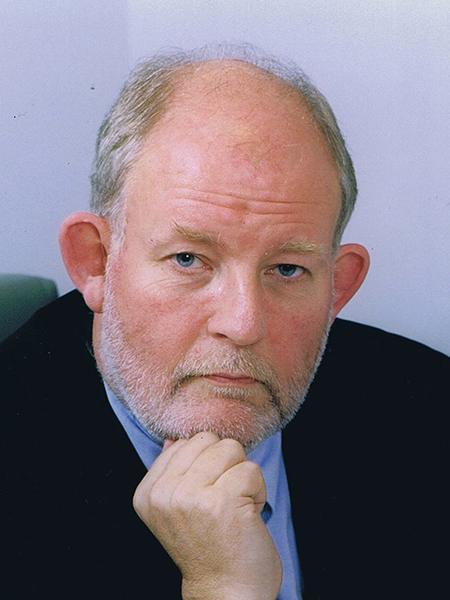 Watch the film: The Rt Hon Charles Clarke
Why universities need to teach beyond age 22
It’s very difficult how you can say that what you learn and establish at the age of 22 will still hold good 40 years later, whether it’s in your professional life or your personal life. So in my opinion, and it’s a criticism I’d make of all universities, there’s not sufficient effort to get a flexibility of people coming into universities later in life, having further courses, further developments for what they would like to do.
And I do think online education is a potential asset to help that happen in a more fluid way, if universities are able to adjust to that.
 Watch the film: Dr Paul Greatrix
How student support levels the playing field
I think it’s about enabling students to make the most of the opportunities of being at university, and to take all those study opportunities that were mentioned earlier, and to help them focus on their learning rather than just surviving. But now we’ve got a much larger, more diverse student body and a wider range of experiences and disadvantages. So what these support mechanisms actually do, I think, is level the playing field.
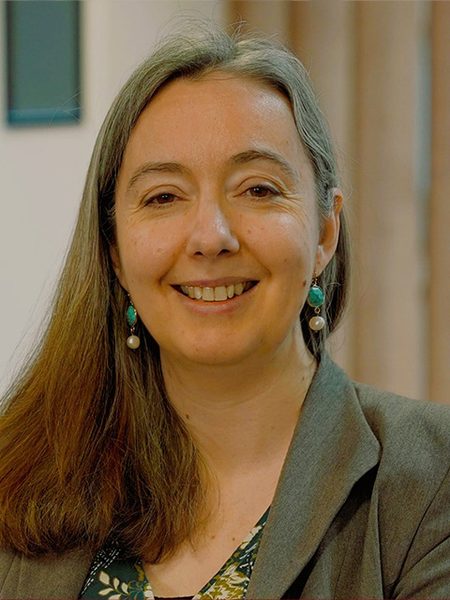 Watch the film: Jenny Shaw
How universities can make student support easier to find
Good communication. It’s a really basic thing, but it’s not always done well. Communication that is clear, that is jargon-free, because not every student knows the terminology. Communication that is coherent and coordinated, so that messages don’t contradict themselves. Communication that is well-timed.
And for messages that could be challenging, including information about support that is available when the message is received, and portraying that as okay: it’s okay to ask for support if you need it. And you can definitely do that without alarming students or infantilising them. I’ve seen it done really well.
 Watch the film: Jim Dickinson
Why students need each other as well as university services
A demand-led model, first come first served, looks fair whilst reproducing inequality. The students who access support aren’t always the ones who have the greatest need. They might be the ones with the most confidence, the best vocab, parents who went to uni. They’re not necessarily the ones that have the greatest need.
Part of the solution though, I think, is that we have to talk much more seriously about lateral support, not vertical support. You might remember during COVID, those of you that were around, that there was this sudden and significant increase in demand for support from both professional services staff and academics, massive demand spikes. But interestingly, our polling at the time told us it was partly because they’d lost access to each other.
But students also rely on peers and course communities and student reps and societies and clubs and cultural groups and faith groups and community networks and so on and so on. That sort of lateral support is not just a nice-to-have. It’s how students navigate university. It’s how they find out whether a problem is normal. It’s how they decide whether to ask for help. It’s how they build confidence and belonging. It’s also usually earlier, less stigmatising and more accessible than turning up at a formal service. Students who have friends in their subject area demand less support and are more satisfied with getting less support. Lateral support really matters.
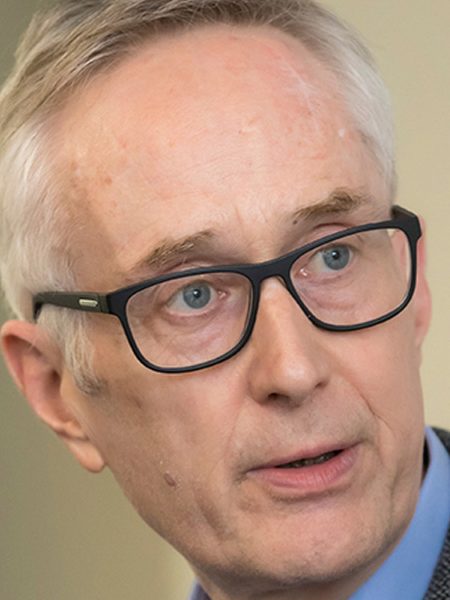 Watch the film: Sir Michael Barber
Why difficult learning can bring joy
I can remember being asked to read and then reading a book called The Theory of Possessive Individualism by C. B. Macpherson when I was an undergraduate. It was really difficult. I read it again and again. I finally got my head round it. And when I understood what he was on about, I felt a sense of joy. I realised it had been worth the effort, but I wouldn’t say it was a fun experience while I was doing it.
And I think it’s very important that the student, the teaching and learning in the university, takes people through difficult things and they get that amazing feeling of joy.
 Watch the film: Sophie Borman
Why asking for help is part of being independent
Independence doesn’t mean doing everything alone. The most successful professionals seek mentorship, communicate difficulties early, access resources and know when to ask for help. And that’s not weakness, that’s competence. The ability to navigate support systems responsibly is itself a life skill.
Much of what we call support is actually teaching students how to manage challenges independently in the future: advocating for themselves, communicating needs professionally, understanding institutional systems and knowing when to seek help appropriately.
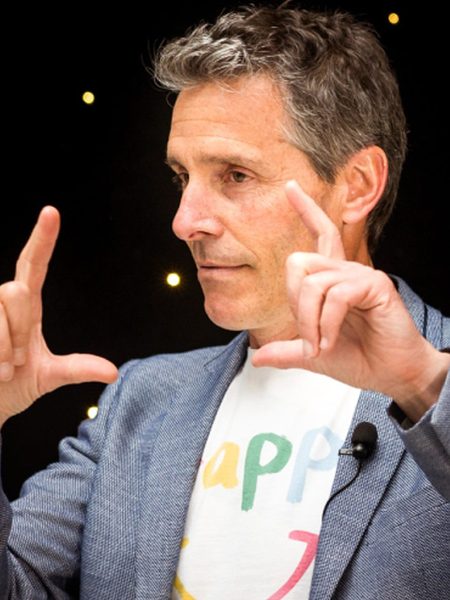 Watch the film: Dr Andy Cope
Why a workplace culture has to be lived
Actually, the phrase is collective effervescence. So one person feeling great at work is great. It’s good for that one person. But a bunch of people, a whole department who are functioning at their best… A collective effervescence is, and everybody’s experienced it, it’s where there’s a buzz, there’s a vibrancy, there’s an energy, there’s a passion about the place, and you know when your work team has hit that sweet spot of collective effervescence. They’re the days when work doesn’t feel like work.
So I think culture, sometimes it’s, we think it’s what it says on the website. We publish it, don’t we, and then we laminate the values on the walls, and I’m like, rolling my eyes, because culture shouldn’t be laminated, it’s something to be lived. And culture isn’t what’s on the website, it’s what turns up on a Monday morning.
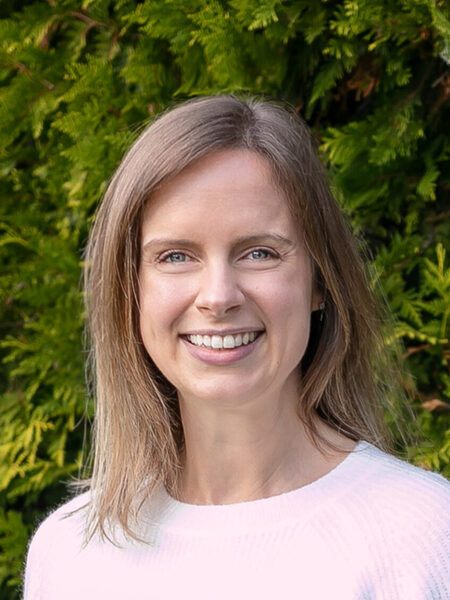 Watch the film: Dr Debbie McVitty
What happens when leaders pull the rug out?
I’m talking about people at sort of dean level or director level or sort of, you know, the people who report into the exec team. And one of the experiences that appears to sort of happen more frequently than is optimal is being given an agenda to front, and then the world changing somehow, and that agenda no longer being a priority. And that person has gone out and sold that agenda to their people and encouraged them and brought them on board and tried to deliver it. But then someone in the exec changes their mind, or somehow the kind of politics get a bit complicated, and we’re not really talking about that anymore, so could we just move on?
That is not courageous leadership. We should not be hanging our mid-level leaders out to dry in that way. I do not think that is, again, universal, but we need to think about who needs to lead what, and what support they need, and how to empower those people to be good leaders.
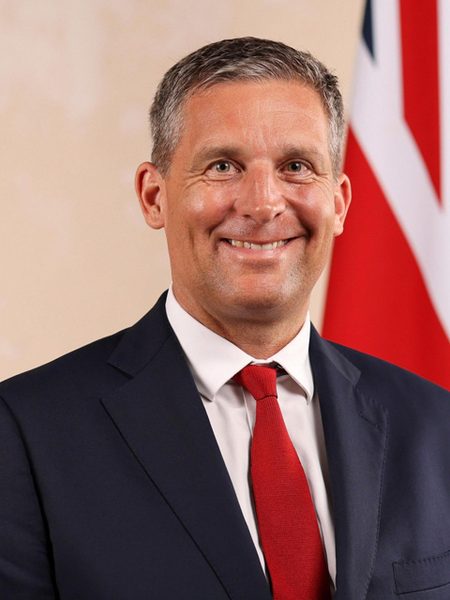 Watch the film: Lord James Timpson
What happens when staff rate their bosses?
So in the Timpson business, we measure every week how happy everybody is. So on a scale of 1 to 10, how are you feeling this week? So you get an idea of if someone scores themselves nine every week and then drops to four, that is really important for the leader of that team to know that, so they can help and nurture and put their arm around the shoulder. And it’s also how you can inspire people too.
But also, it’s the annual Happy Index in the Timpson business, which is the way the business is run. Every colleague rates their boss out of 10 and can write a comment. So that means that the boss’s job is to make sure that their colleagues are happy above anything else. And when they’re happy, funnily enough, they perform.
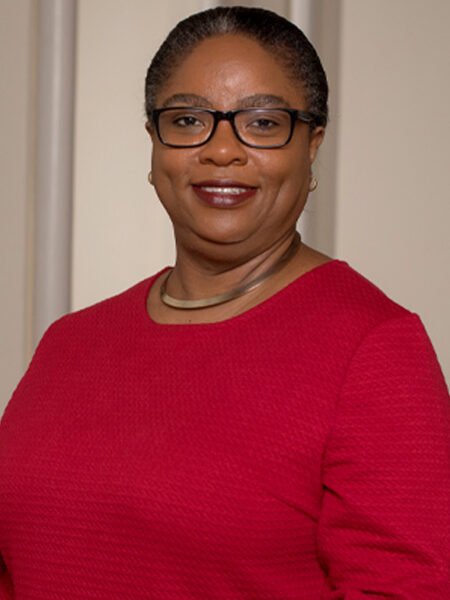 Watch the film: Professor Stacy Johnson MBE
Can staff thrive if they have to hide parts of themselves?
Another saying from Ubuntu. So if I met you this afternoon, when we met, I would say Sawubona, which means I see you, all of you, as you are. All of your problems, all of your challenges, your dignity. So it’s not EDI, it’s not equality, diversity, inclusion, but I see you, I see your challenges. I will be seeking to find out what they are, and therefore how we can make a space, a culture where you can thrive, right? And you would respond to me, Yebo sawubona: I see you too.
And of course, when we’re thinking about humanness, you know, we hear terms like bringing your whole self to work. What does that mean? I will struggle to thrive, flourish with parts of me missing, parts of my identity stripped away, right?
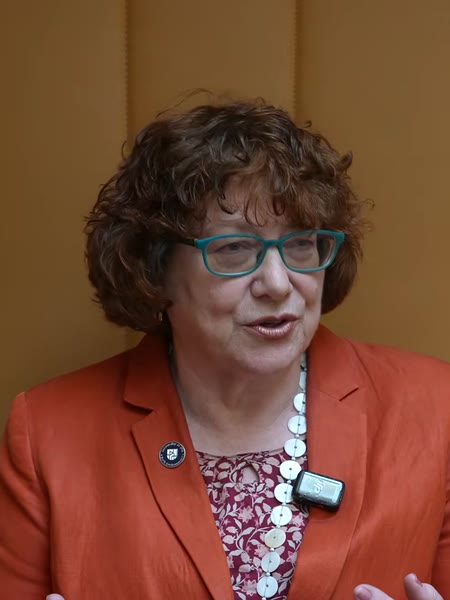 Watch the film: Rosaleen Kerslake CBE
Law & Psychology, Class of 1979
But I think the fact that Keele gave you that opportunity to explore all sorts of things you hadn’t necessarily even heard of when you went there was, for me, a really amazing thing, and I think helped my development a lot.
But that sense of sort of almost a family, of being part of something, I still think there’s a real opportunity to create that at Keele. And not everywhere has that.
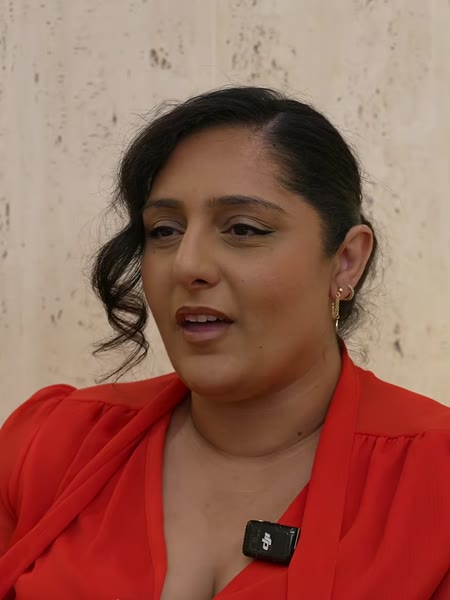 Watch the film: Jaspreet Pandhal
International Relations & Psychology, Class of 2009
I think the underlying skills have really helped me in understanding people, which has helped me with making sure that I can build those relationships on a global scale.
And so I’m quite confident in saying that I’ve got really great global relationships amongst governments, higher education, that have lasted beyond the years I’ve worked with them, which I think is all thanks to the experience I had at Keele.
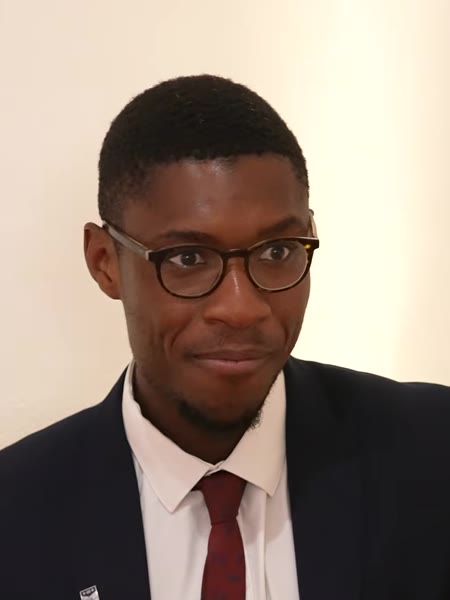 Watch the film: Dr Jacob Oguntimehin
Medicine, Class of 2021
I remember my time at Keele very fondly. I have the pleasure of having studied medicine. I was there for pretty much double the time of a normal degree, so I really had a great time. Very supportive staff. I’ve made long-term friends, and yeah, both academically and personally, it was a fascinating time.
So something I’m really, really passionate about is encouraging students to adopt an interdisciplinary approach to really complex issues. And something that Keele has done very well is encouraging, for example, combined honours, whereby students can do somewhat seemingly unrelated degrees. I think that should be something that is not just unintentional, but explicitly encouraged to prepare students for what exactly is a very increasingly complex, increasingly difficult employment market. And I think encouraging things like this will be putting them in a very good position.
We developed this strategy through a community-driven process in which thousands of students, colleagues, alumni, and partners participated.
Our Keele Debates examined some of the major questions facing UK higher education, while our Strategic Conversations explored challenges and opportunities of particular importance to Keele.
Together, we debated difficult questions, challenged established thinking, and contributed hundreds of new ideas which have been published in our Open Strategy Journal.
An Open Strategy
300+ strategic ideas submitted by colleagues across the University
8 Strategic Conversations attended by 457 colleagues
5 Keele Debates with 24 high-profile speakers and 1,000+ people attending from across the UK and world
A successful alumni engagement event at the British Library, together with 184 alumni consultation responses spanning the classes of 1959 to 2026
We have taken a data-informed approach to developing this strategy, commissioning external analysis alongside our own institutional data and intelligence - using evidence about demographics, student demand, competitor behaviour and wider sector trends to test our assumptions and inform the choices we make.
At our Keele Debate about our role in the region, we were challenged to match the scale of Josiah Wedgwood’s ambition. Wedgwood showed how ideas developed in Staffordshire could change the world.
We accept that challenge.